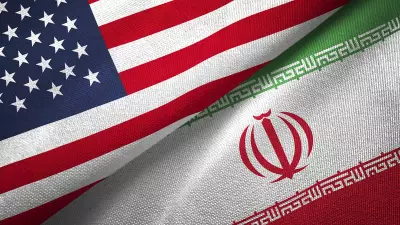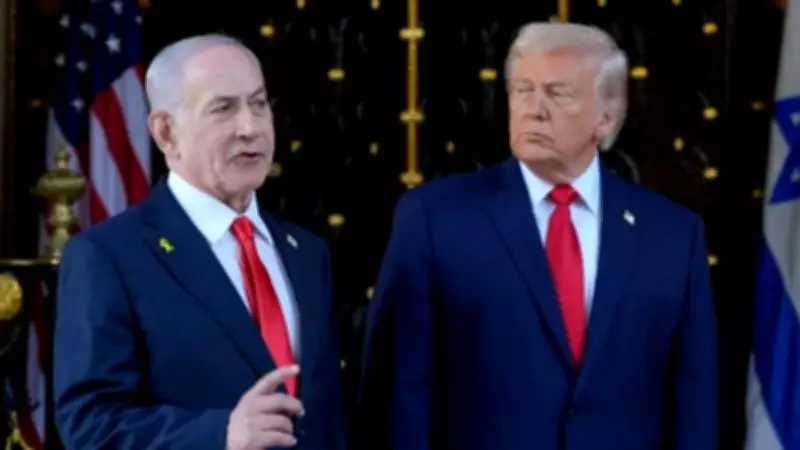
The longstanding alliance between the United States and Israel is facing unprecedented strain as the two nations adopt increasingly divergent strategies regarding Iran, Lebanon, and Hezbollah. While both countries share the common goal of curbing Iranian influence and neutralizing threats from Hezbollah, their approaches to achieving these objectives have drifted apart, raising questions about the future of their partnership and the stability of the Middle East.
Diverging Priorities in Iran Policy
The United States has pursued a dual-track policy of diplomatic engagement and economic pressure with Iran, seeking a comprehensive agreement that would limit Tehran's nuclear program and regional activities. In contrast, Israel has advocated for a more confrontational stance, emphasizing military deterrence and preemptive action against Iranian targets in Syria and elsewhere. This fundamental difference in strategy has led to friction behind closed doors, with Israeli officials expressing frustration over what they perceive as Washington's reluctance to back its words with decisive action.
Recent reports indicate that the Biden administration has resisted Israeli requests for advanced weaponry that could be used in a potential strike on Iran's nuclear facilities. Instead, the US has pushed for renewed negotiations under the Joint Comprehensive Plan of Action (JCPOA), a move that Israel views as dangerously naive. Israeli Prime Minister Benjamin Netanyahu has repeatedly warned that Iran is on the verge of achieving nuclear breakout capability, and his government has signaled that it will not be bound by any agreement that fails to dismantle Iran's entire nuclear infrastructure.

Lebanon and Hezbollah: A Proxy Battleground
The rift extends to Lebanon, where Hezbollah remains a formidable military and political force. The US has focused on humanitarian aid and supporting the Lebanese Armed Forces (LAF) as a counterbalance to Hezbollah, while simultaneously imposing sanctions on the group's leaders and financiers. Israel, however, views the LAF as ineffectual and has increasingly targeted Hezbollah positions in southern Lebanon, risking a broader confrontation.
American officials have cautioned Israel against escalating tensions along the Blue Line, warning that any major conflict would destabilize Lebanon further and potentially trigger a regional war. Israel, on the other hand, believes that a decisive military operation is necessary to degrade Hezbollah's missile capabilities and restore deterrence. The US has sought to broker a maritime border agreement between Lebanon and Israel to ease tensions, but progress has been slow, with Hezbollah's influence in Beirut complicating negotiations.
Strategic Implications
The growing divergence between the US and Israel reflects deeper structural changes in the Middle East. The US is seeking to reduce its military footprint and prioritize great-power competition with China and Russia, while Israel faces immediate threats from Iran and its proxies. This mismatch in strategic priorities has led to a reassessment of the bilateral relationship, with both sides expressing frustration over the other's approach.
Analysts warn that continued drift could undermine collective security efforts. If Israel acts unilaterally against Iran or Hezbollah, it could drag the US into a conflict it seeks to avoid. Conversely, if the US fails to address Israeli concerns, it risks alienating a key ally and emboldening adversaries. The path forward requires a renewed dialogue that acknowledges each country's legitimate security needs while seeking common ground.
As the situation evolves, the world will be watching closely to see whether the US and Israel can bridge their differences or whether the same war will lead to different endgames.