In the vicinity of Phagwara, a quiet revolution is underway as sustainable agriculture reshapes the rural economy. Farmers are increasingly adopting eco-friendly practices that not only enhance soil health but also improve their livelihoods. This shift is driven by a combination of factors, including rising input costs, environmental concerns, and market demand for organic produce.
The Shift to Sustainable Practices
Traditional farming in the region has long relied on chemical fertilizers and pesticides, which have degraded soil quality over time. However, a growing number of farmers are now turning to methods such as crop rotation, vermicomposting, and integrated pest management. These techniques reduce dependency on synthetic inputs and promote biodiversity. For instance, many farmers have started using neem-based pesticides and bio-fertilizers, which are both cost-effective and environmentally friendly.
Economic Benefits for Farmers
The economic impact of sustainable agriculture is significant. By reducing input costs and accessing premium prices for organic products, farmers have seen their net incomes rise. Local farmer Harpreet Singh shares, "Switching to organic farming has cut my expenses by 30% and increased my profits by 20%. The demand for chemical-free vegetables is high in nearby cities." This trend is encouraging more farmers to transition, creating a ripple effect across the rural economy.

Government and Institutional Support
The Punjab government and agricultural universities are playing a crucial role in promoting sustainable farming. Training programs and subsidies for organic inputs have made the transition easier. The Krishi Vigyan Kendra in Phagwara regularly conducts workshops on soil conservation and water management. Additionally, farmer producer organizations (FPOs) are helping smallholders access markets and negotiate better prices.
Environmental and Social Impact
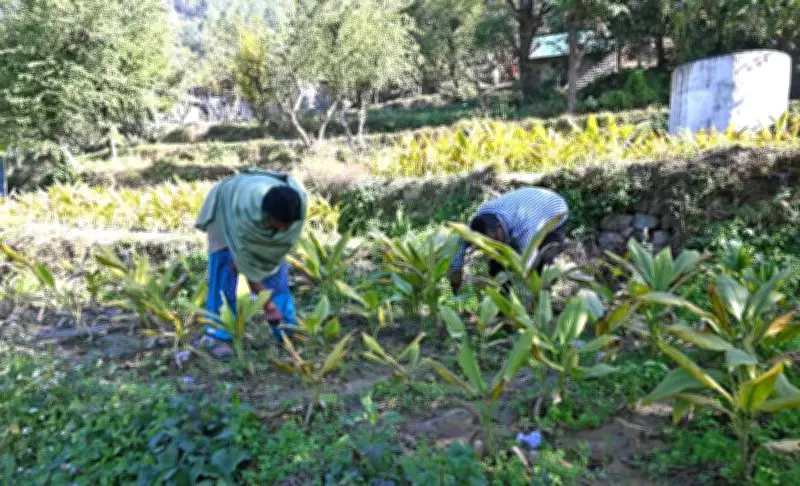
Beyond economics, sustainable agriculture is improving the environment. Reduced chemical runoff has led to cleaner water sources, and increased organic matter in the soil has enhanced carbon sequestration. Socially, the movement has fostered a sense of community among farmers, who share knowledge and resources. Women, in particular, have benefited as they often lead organic farming initiatives.
Challenges and the Way Forward
Despite the progress, challenges remain. Access to organic certification, market volatility, and climate change pose risks. However, with continued support from government and NGOs, the sustainable agriculture model in Phagwara could serve as a blueprint for other regions. As more farmers embrace these practices, the rural economy is poised for a greener, more resilient future.