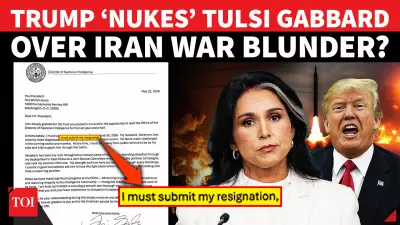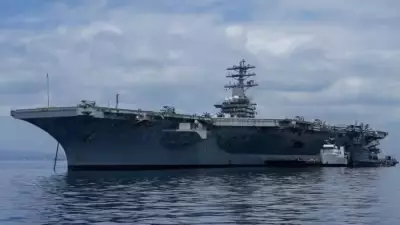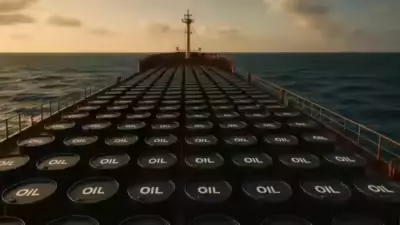
On Saturday, former President Donald Trump announced that a "largely negotiated" memorandum of understanding on an Iran peace deal would reopen the Strait of Hormuz, allowing Tehran to sell oil freely on the international market. The agreement also includes a 60-day extension of the current ceasefire between the two nations.
Key Details of the Agreement
According to Trump, the deal aims to de-escalate tensions in the Middle East and ensure the free flow of oil through the strategic waterway. The Strait of Hormuz is a critical passage for global energy supplies, and its reopening is expected to stabilize oil prices and reduce geopolitical risks.
Iran's Response
However, Iran's Fars News Agency disputed Trump's claims, stating that no final agreement has been reached. The agency reported that negotiations are ongoing and that Iran has not yet committed to any terms that would compromise its sovereignty or economic interests.

Ceasefire Extension
The 60-day ceasefire extension is seen as a confidence-building measure, providing time for further diplomatic talks. The original ceasefire, brokered earlier this year, had been set to expire in late May 2026. Both sides have expressed cautious optimism about the potential for a lasting peace.
International Reactions
The international community has welcomed the news, with many nations urging both parties to finalize the deal. The United Nations and European Union have offered to mediate further discussions to address outstanding issues, including Iran's nuclear program and regional security.
Despite the disputes over the current status of the agreement, the announcement marks a significant step forward in US-Iran relations. Observers note that the reopening of the Strait of Hormuz would have profound implications for global trade and energy markets.