The Ebola outbreak in central Africa is spreading rapidly, with almost 867 suspected cases and 204 deaths reported in Congo as of late Saturday by the health ministry. The World Health Organization (WHO) has upgraded its risk assessment to 'very high' in the country.
The outbreak now affects three provinces in the Democratic Republic of Congo (DRC), with the first case confirmed in South Kivu. Two cases, including one death, have also been confirmed in neighboring Uganda after individuals traveled from DRC.
Rare Strain and High Mortality
The outbreak is caused by the rare Bundibugyo strain, for which there is no specific vaccine. The mortality rate is as high as 50 percent. The virus appears to have circulated through eastern Congo's Ituri province, a conflict-hit mining region, for about two months before authorities recognized what they were dealing with.

Challenges in Response
WHO Director-General Tedros Adhanom Ghebreyesus described the outbreak as 'especially challenging,' citing ongoing fighting, displacement of people, the transient population of miners, and significant distrust of outside authorities among the local population. WHO has declared a global public health emergency due to the speed and scale of the outbreak.
Contact tracing has expanded to 1,400 people, but WHO representative Anne Ancia said, 'We are running behind, we are not yet under control.' Congo has suspended flights to the eastern city of Bunia amid health concerns. Uganda has effectively closed its border with DRC, suspending flights to and from the country as well as all public transport except goods and food movement. Weekly bazaars in high-risk regions where communities often cross the porous border have also been stopped.
Global Response and Funding Gaps
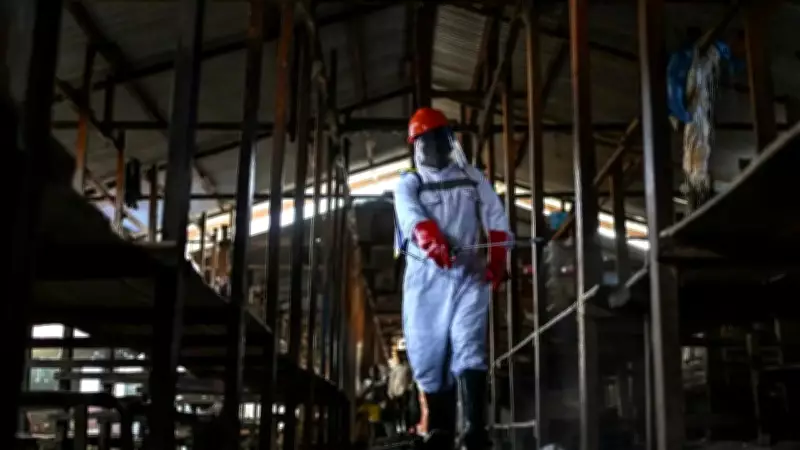
Governments across the world are tightening border screening and quarantine preparedness. An India-Africa summit due to begin in New Delhi at the end of May has been postponed indefinitely. Africa CDC Director General Jean Kaseya said pledged funding is not reaching front-line health workers, citing a lack of personal protective equipment, medicines, and treatment centers.
Vaccine Development
The WHO is reviewing potential vaccine candidates, though no full prioritization has been completed. A promising candidate is an rVSV vaccine designed for the Bundibugyo strain, but no doses are currently available for clinical trials. It could take six to nine months to prepare supplies if development is prioritized.