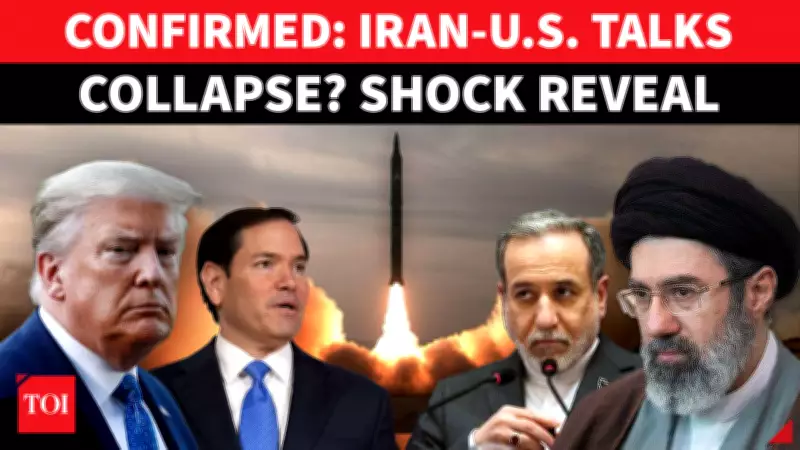
Fresh uncertainty is now surrounding the fragile Iran-U.S. negotiations after new reports suggested the proposed agreement could face major delays — or even collapse altogether. According to Axios, the White House does not expect a final deal with Tehran to be approved immediately, with Iran’s top leadership still reviewing the framework. Meanwhile, Iran’s Tasnim News Agency reported that unresolved disputes and continued American “obstruction” over key clauses could derail the talks completely.
One major sticking point reportedly remains Iran’s blocked financial assets and sanctions-related demands. At the same time, tensions escalated further after a senior Iranian advisor warned that Tehran could break any U.S. naval blockade and even withdraw from the Nuclear Non-Proliferation Treaty (NPT) if military attacks resume. The latest developments are now fuelling fresh fears that diplomacy may again be sliding toward confrontation.
Background of the Talks
The negotiations between Iran and the United States have been ongoing for months, aimed at reviving the 2015 nuclear deal, formally known as the Joint Comprehensive Plan of Action (JCPOA). The Trump administration withdrew from the deal in 2018, reimposing sanctions that crippled Iran’s economy. In response, Tehran began enriching uranium beyond permitted limits, raising concerns about its nuclear ambitions.

Key Sticking Points
Several issues remain unresolved, including the removal of sanctions on Iran’s oil exports and the release of billions of dollars in frozen assets. Iran insists on a verifiable end to all sanctions, while the U.S. demands that Iran first return to compliance with the JCPOA. Additionally, Iran’s development of advanced centrifuges and its ballistic missile program are contentious topics.
Threat of NPT Withdrawal
The warning from the senior Iranian advisor about leaving the NPT is a significant escalation. If Iran exits the treaty, it would no longer be bound by international inspections of its nuclear facilities, potentially accelerating its pursuit of nuclear weapons. Such a move would alarm the international community and could trigger a regional arms race.
Naval Blockade and Military Posturing
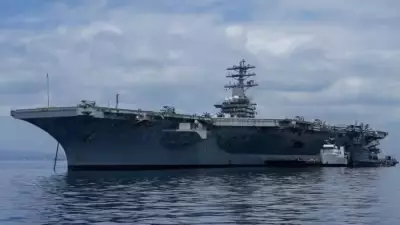
Iran has also threatened to break any U.S. naval blockade in the Persian Gulf, a strategic waterway for global oil shipments. The Iranian navy has conducted drills in the region, showcasing speedboats and anti-ship missiles. The U.S. maintains a strong naval presence in the Gulf, and any confrontation could lead to a wider conflict.
International Reaction
World powers, including the European Union and Russia, have urged restraint and called for continued diplomacy. The UN has expressed concern over the breakdown of talks, warning that a failure could destabilize the Middle East. Meanwhile, Israel has voiced support for a tougher stance against Iran, viewing the nuclear deal as insufficient.
What Lies Ahead
The coming weeks will be critical for the fate of the negotiations. If the U.S. and Iran cannot bridge their differences, the region could face a new crisis. The potential for Iran to enrich weapons-grade uranium or to disrupt oil shipping lanes remains a major risk. Analysts suggest that both sides may need to compromise to avoid a dangerous escalation.