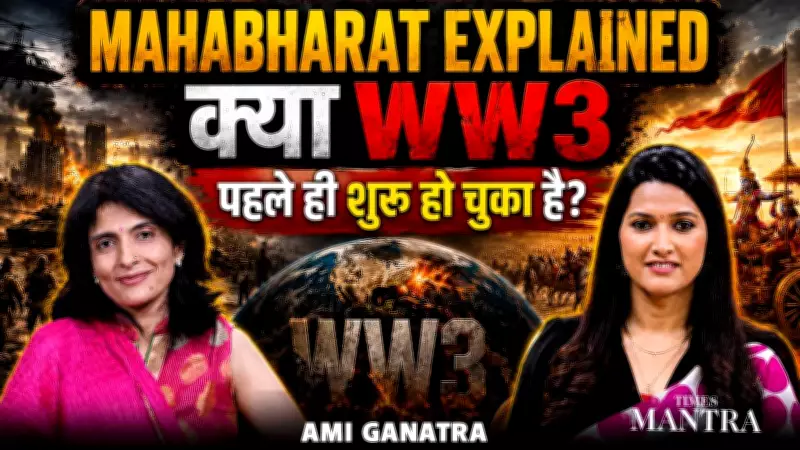
The Mahabharat is far more than an ancient epic; it is a timeless guide to understanding power, strategy, leadership, ethics, and conflict. In a fascinating conversation with Ami Ganatra, we explore how the principles and war strategies described in the Mahabharat continue to resonate in today's geopolitical landscape and global conflicts.
Relevance of the Mahabharat in Modern Times
The epic's narratives are not merely historical tales but serve as a mirror to contemporary issues. Nations today often repeat the same mistakes that led to the war of Kurukshetra. From power struggles to ethical dilemmas, the Mahabharat offers profound insights into human behavior and decision-making.
Lessons from Key Characters
What can modern leaders learn from the decisions of Krishna, Arjuna, Bhishma, and Duryodhana? Krishna's strategic diplomacy, Arjuna's inner conflict, Bhishma's loyalty, and Duryodhana's ambition all provide valuable lessons in leadership and strategy.

- Krishna: Emphasizes the importance of righteous action and strategic thinking.
- Arjuna: Represents the struggle between duty and personal emotions.
- Bhishma: Highlights the consequences of blind allegiance.
- Duryodhana: Warns against unchecked ambition and ego.
Geopolitical Parallels
The Mahabharat's war strategies, such as formation tactics and psychological warfare, find parallels in modern military doctrines. The epic also addresses issues of alliance-building, resource management, and the ethics of war, which remain relevant in today's conflicts.
Enduring Wisdom
As the world becomes increasingly complex, the Mahabharat provides a framework for understanding power dynamics and ethical leadership. It encourages introspection and reminds us that the choices we make have far-reaching consequences.
Join us as we decode the enduring relevance of the Mahabharat and uncover lessons that remain strikingly relevant in an increasingly complex world.