Asian equities traded mixed on Thursday as the artificial intelligence and technology rally began to lose momentum, while traders remained cautious due to escalating conflict in the Middle East. In Hong Kong, the Hang Seng Index inched up 174 points to 26,563, while Japan's Nikkei held steady, gaining 0.66% to 63,539. South Korea's Kospi advanced 0.63% to 7,893, recovering some ground after a sharp 2.3% decline earlier in the week from its record peak. Singapore's benchmark STI fell 16 points to 4,987. Meanwhile, China's Shenzhen and Shanghai indices dropped 0.9% and 0.5%, respectively.
Wall Street Sees Softer Mood
In the United States, Wall Street experienced a softer mood following its recent record-setting climb. US markets reflected a cooling appetite for high-flying tech stocks. The S&P 500 retreated 0.2% after reaching a fresh all-time high a day earlier. The Dow Jones Industrial Average managed a modest rise of 56 points, or 0.1%, while the Nasdaq composite fell 0.7% from its own record.
Chipmakers and AI Stocks Decline
Chipmakers and AI-linked companies led the declines. Intel dropped 6.8% despite its shares having more than tripled this year, while Micron Technology lost 3.6%. At the close, the S&P 500 shed 11.88 points to finish at 7,400.96. The Dow added 56.09 points to 49,760.56, while the Nasdaq fell 185.92 points to 26,088.20.

Currency and Commodity Markets
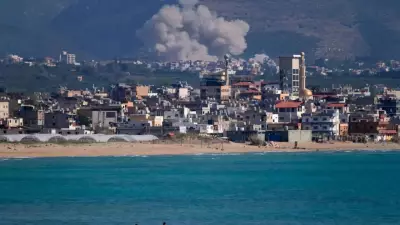
In currency markets, the dollar strengthened slightly against the yen, rising to 157.70 from 157.59. The euro edged lower to $1.1741 from $1.1744. Meanwhile, in commodity markets, oil prices remained elevated as disruptions in the Strait of Hormuz continued for 75 days. By 7:05 am, WTI crude was trading at $101.1, up 0.11 points or 0.11%, while Brent crude stood at $105.8, gaining 0.17 points or 0.16%. Before the Middle East crisis began, crude remained around $70 per barrel. The conflict began on February 28 when the US and Israel launched joint strikes on Iran. After the attack, Tehran retaliated by tightening its control over the crucial energy pipeline that carries 20% of the world's energy supplies.
This article was originally published by the TOI Business Desk, a vigilant and dedicated team of journalists committed to delivering the latest and most relevant business news from around the world to readers of The Times of India. The primary focus of the TOI Business Desk is to keep a watchful eye on the global business landscape, covering a wide spectrum of industries, markets, economic trends, in-depth analysis, exclusive reports, and breaking stories that impact businesses and economies.