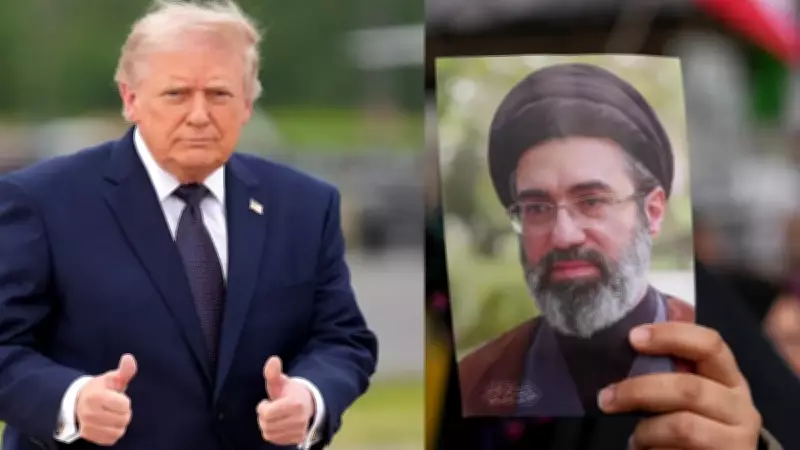
In a significant development, Iran has reportedly agreed to give up its enriched uranium as part of a peace deal proposed by the United States, according to a report. The move is seen as a major concession by Tehran, potentially paving the way for a broader agreement on its nuclear program.
Key Details of the Proposed Deal
The agreement, which is still under negotiation, would require Iran to surrender its stockpile of enriched uranium to international monitors. In return, the US would lift certain economic sanctions and provide guarantees for Iran's energy needs. The report suggests that both sides have shown flexibility in recent talks held in Vienna.
International Reactions
The international community has reacted cautiously to the news. The European Union welcomed the potential breakthrough, while Israel expressed skepticism, citing past violations by Iran. The United Nations called for transparency and verification mechanisms to ensure compliance.

Iranian officials have not officially confirmed the report, but sources close to the negotiations indicate that a framework could be finalized within weeks. The deal would mark a reversal of Iran's previous stance of maintaining enriched uranium for civilian purposes.
Implications for Nuclear Non-Proliferation
If implemented, the agreement would significantly reduce the risk of nuclear proliferation in the Middle East. Experts say it could serve as a model for future disarmament efforts. However, challenges remain, including verification of Iran's compliance and addressing regional security concerns.
The US State Department declined to comment on the report, but President Biden has previously expressed willingness to negotiate a new deal with Iran. The development comes amid heightened tensions in the region, with Iran enriching uranium at levels close to weapons-grade.
Next Steps
Negotiators are expected to meet again next month to finalize the terms. Key issues include the timeline for uranium transfer, monitoring mechanisms, and the scope of sanctions relief. The deal could also impact global oil markets, as Iran is a major oil producer.
Observers warn that the agreement faces opposition from hardliners in both countries. In Iran, some factions view the concession as a betrayal, while in the US, critics argue that the deal does not address Iran's ballistic missile program or support for proxy groups.
Despite the challenges, the reported progress offers a glimmer of hope for a diplomatic resolution to the long-standing nuclear standoff. The world watches closely as the details unfold.