Iran's envoy to Moscow has announced that the Strait of Hormuz will remain open to maritime traffic, but with the imposition of transit fees. This statement comes amid the ongoing US-Israeli war on Iran, which has significantly disrupted oil flows through the strategic waterway.
Strategic Importance of the Strait
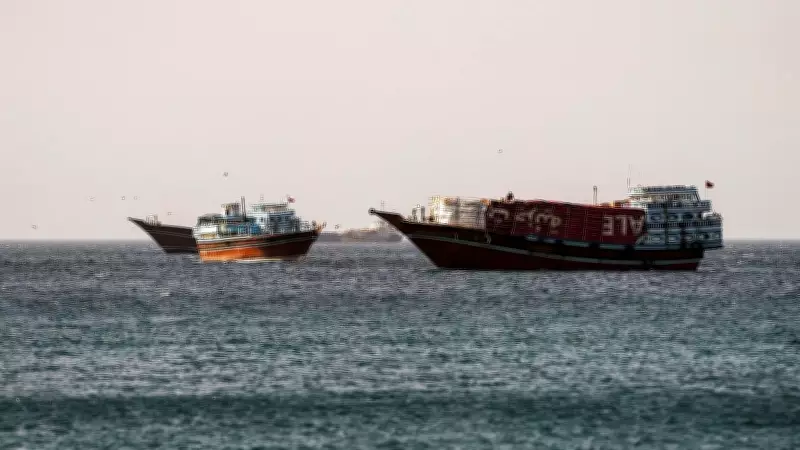
Before the conflict, the Strait of Hormuz saw approximately one-fifth of the world's oil pass through its waters, making it a critical chokepoint for global energy supplies. The current hostilities have largely cut oil flows, impacting international markets and raising concerns about energy security.
Transit Fees as a New Policy
The Iranian envoy emphasized that the decision to implement transit fees is a measure to ensure the strait's continued operation while generating revenue for Iran. The fees would apply to all vessels passing through the strait, though specific rates have not yet been disclosed.

Iran has historically threatened to close the strait in response to geopolitical pressures, but this latest move suggests a more pragmatic approach. By keeping the waterway open with fees, Iran aims to maintain some level of economic activity and leverage its strategic position.
Global Reactions
The announcement has drawn mixed reactions from the international community. Some nations have expressed concern that transit fees could further destabilize global oil markets, while others view it as a sign of de-escalation. The United States and Israel have not yet officially responded to the proposal.
Analysts suggest that the fees could lead to increased shipping costs and higher oil prices, particularly for countries heavily reliant on Middle Eastern crude. However, the move may also prevent a complete blockade, which would have far more severe consequences.
Future Implications
The implementation of transit fees marks a significant shift in Iran's strategy regarding the Strait of Hormuz. It remains to be seen how other nations, particularly those in the region, will respond to this new policy. The situation continues to evolve, with diplomatic efforts ongoing to resolve the broader conflict.