

The Quiet Beginning of a Major Consumer Movement
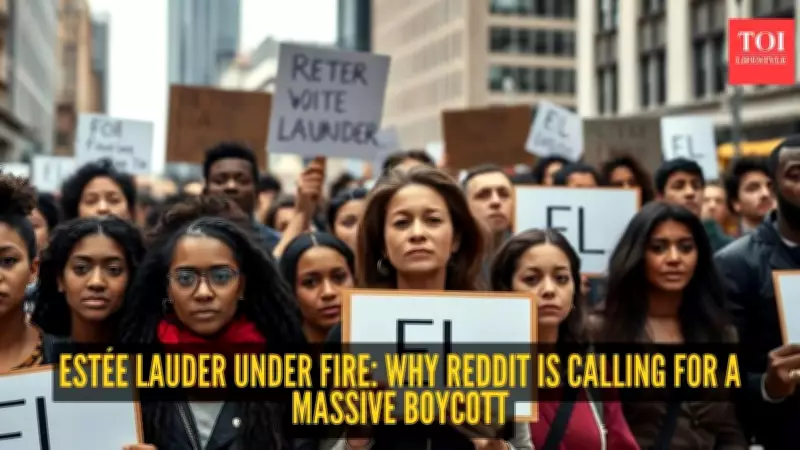
The call to boycott Estée Lauder did not originate from a high-profile scandal or a celebrity controversy. Instead, it began quietly on Reddit earlier this month, where a post titled "Estée Lauder boycott" started gaining significant traction. Within a short period, thousands of users joined the discussion, sharing extensive lists of brands owned by the Estée Lauder group and encouraging others to cease purchasing their products.
From Niche Discussion to Mainstream Conversation
The thread quickly amassed over 7,000 upvotes, and the conversation soon expanded to X and other social media platforms. What began as a targeted brand boycott rapidly transformed into a much larger dialogue about power dynamics, political influence, and the true ownership behind everyday consumer products. Consumers moved beyond debates about lipsticks and moisturizers to ask more profound questions about who controls these corporations and the impact of their financial contributions.
The Corporate Giant Behind the Beauty Brands
Estée Lauder Companies was founded in 1946 by Estée and Joseph Lauder and has grown into a publicly listed behemoth with the family maintaining substantial influence over its operations. As of February 2026, the company boasts a market value of approximately $41.5 billion, a figure that surprised many online participants who were previously unaware of the corporation's massive scale.

One of the most startling revelations for consumers was discovering how many familiar beauty brands fall under the Estée Lauder umbrella. The extensive portfolio includes MAC, Clinique, Bobbi Brown, La Mer, Jo Malone London, Tom Ford Beauty, Aveda, Too Faced, Smashbox, Origins, and The Ordinary, among others. Numerous Reddit users confessed they had no idea so many seemingly independent brands were actually part of the same corporate beauty machine, with this discovery alone generating significant consumer discomfort.
The Political Controversy Fueling the Boycott
Much of the backlash has centered on Ronald Lauder, son of the company's founders. Although he no longer manages daily operations, his political affiliations and business interests have drawn unwanted attention to the brand. Online discussions have particularly focused on his close relationship with former President Donald Trump and his involvement in projects related to Greenland.
The Greenland Connection That Intensified Criticism
As reported by The Guardian, Ronald Lauder was the businessman who proposed the idea of the United States purchasing Greenland to Trump during his first term. This suggestion became public in 2019 and was widely ridiculed while simultaneously damaging diplomatic relations with Denmark. Former national security adviser John Bolton later confirmed that Trump adopted the idea from a wealthy friend, who was subsequently identified as Lauder.
The criticism intensified when Lauder's investments in Greenland were reexamined. Reports connected companies associated with him to projects involving luxury spring water exports and hydroelectric exploration. After Trump returned to office, Lauder defended the Greenland proposal in a New York Post column, describing it as "strategic" rather than absurd and claiming he had collaborated closely with Greenland's business and government leaders for years.
Renewed Political Ties and Financial Support
Lauder's renewed proximity to Trump has raised additional concerns. After maintaining some distance for a period, he reemerged as a major donor, reportedly contributing $5 million to Maga Inc in March 2025 and attending a private dinner shortly thereafter. These developments have further fueled the boycott movement, with participants arguing that consumer purchases indirectly support political agendas they may not endorse.

The Broader Implications of Consumer Choice
For many observers following this unfolding situation online, the boycott has transcended its initial focus on cosmetics. It has evolved into a discussion about the unintended consequences of consumer spending and the ethical considerations behind everyday purchases. This conversation has demonstrated remarkable resilience, refusing to remain confined to beauty aisles and personal care routines, instead sparking wider debates about corporate accountability and consumer responsibility in the modern marketplace.





