
Ethiopian Volcano Ash Disrupts India-Middle East Flights
DGCA issues volcanic ash advisory as Ethiopian eruption impacts Indian aviation. Airlines cancel Middle East flights, implement safety protocols. Stay updated on travel changes.

DGCA issues volcanic ash advisory as Ethiopian eruption impacts Indian aviation. Airlines cancel Middle East flights, implement safety protocols. Stay updated on travel changes.
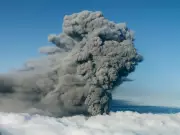
Ethiopia's Hayli Gubbi volcano erupts for first time in 10,000 years, creating spectacular lava flows in Afar region. Discover the geological significance.
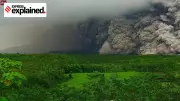
Mount Semeru, Indonesia's most active volcano, erupted Wednesday. Learn what causes volcanic eruptions and why some are more explosive than others. Discover the science behind magma movement.

Mount Lewotobi Laki-Laki erupts in Indonesia, sending a massive 10km ash column. Highest alert declared, airport operations suspended. Stay informed on the latest developments.
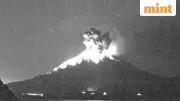
Japan's Sakurajima volcano erupted multiple times, sending ash 4,400 meters high and disrupting air travel. Authorities issue ashfall warnings. Read for live updates.
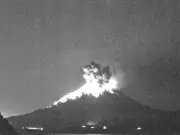
Japan's Sakurajima volcano erupts violently, creating a massive 4400-meter ash plume. Authorities issue level 5 alert and evacuate residents. Latest updates on volcanic activity.

40 years ago, Nevado del Ruiz volcano erupted in Colombia, burying Armero town under ash and killing 21,000. Remembering one of history's deadliest volcanic disasters.
Remembering the devastating 1985 Nevado del Ruiz eruption that buried Armero town, killing 21,000. A tragic lesson in natural disaster preparedness. Read more about this historic catastrophe.

Scientists predict Axial Seamount, the most active submarine volcano in Northeast Pacific, might erupt by mid-2026. Learn how researchers monitor this underwater giant and what it reveals about volcanic activity.
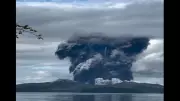
Philippines' Taal Volcano erupts dramatically three times, spewing ash and steam. Authorities issue alert level 2 warning as seismic activity intensifies. Latest updates and stunning footage.
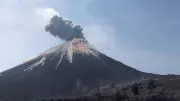
Groundbreaking research by Geological Survey of India uncovers ancient origins of India's only active mud volcano in Andaman, dating back 23 million years to the Oligocene-Miocene era.