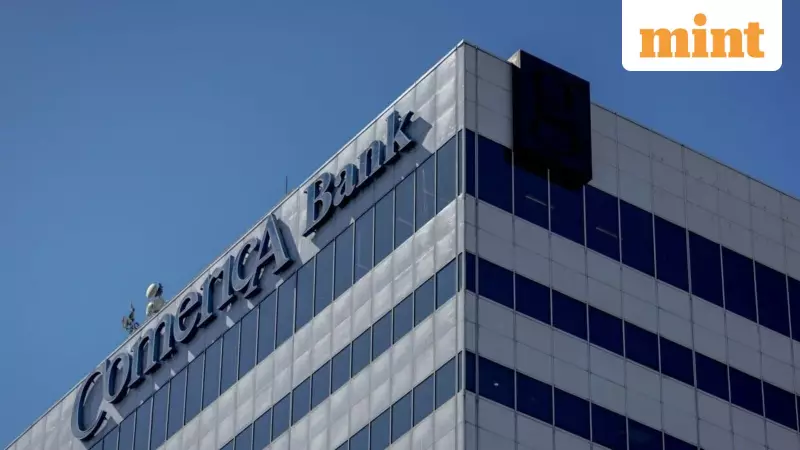
A bold new wave of activist investors is aggressively targeting the once-impenetrable fortress of the US banking sector. Historically rare due to heavy regulation, major activist campaigns are now gaining momentum, spurred by a favourable regulatory shift and industry-wide pressures. This movement is being led by relatively unknown but assertive funds like HoldCo Asset Management, which has declared an all-out war on banks it deems underperforming, starting with Texas-based Comerica.
The Comerica Battle: A Deal Under Fire
The flashpoint for this new era of banking activism is the proposed acquisition of Comerica by Fifth Third Bancorp, which was poised to be the biggest bank deal of 2025. Ironically, this deal itself was a result of pressure from HoldCo, which initially pushed Comerica to sell. However, the hedge fund, led by co-founders Vik Ghei and Misha Zaitzeff, later turned against the agreement, arguing it undervalued Comerica.
HoldCo's campaign escalated into a full-scale conflict. The firm urged shareholders to vote against the acquisition and even sued both banks, claiming the deal was not in the best interest of shareholders. Comerica has stated it remains committed to the deal, while Fifth Third's CEO expressed confidence it would close in early 2026. A crucial shareholder vote is scheduled for early January.

Deregulation Opens the Floodgates for Activists
This surge in activism is not occurring in a vacuum. A key enabler is the Trump administration's push to ease banking rules, particularly around mergers and capital requirements. This deregulatory environment is giving investors more room to manoeuvre and challenge traditionally complacent management.
Simultaneously, the banking industry is under immense strain. Regulatory, technological, and other costs are squeezing all but the largest players. They also face disruptive threats from fintech firms, cryptocurrencies, and the growing private markets. This perfect storm has led to a rebound in bank M&A activity, with deal values in early December reaching their highest level since 2021, according to S&P Global Market Intelligence.
Banking Sector Responds with Defensive Moves
Faced with this new activist reality, banks are battening down the hatches. Sources indicate several lenders are reviewing their bylaws, considering adopting shareholder rights plans ("poison pills"), and increasing communication with major investors. Some have even paused potential deal considerations for fear of activist backlash.
HoldCo, with $2.6 billion in assets under management, has become a controversial figure. Its brazen tactics have led to it being shunned by some industry executives and barred from conferences. Yet, its success is inspiring others. Jason Blumberg, founder of Blue Hill Advisors and a former HoldCo employee, notes that activists from other industries are now looking at banks, inquiring about potential investments. "Now is the time," Blumberg said. "2026 could be a big year."
An Uphill Battle with Aligned Interests
Despite the momentum, activists still face significant hurdles. Banks hold a special societal role as stewards of public deposits and maintain deep ties with communities, customers, and governments. At smaller banks, boards are often filled with loyal local figures.
Interestingly, activist demands sometimes align with management's plans. At KeyCorp, which HoldCo has also targeted, the fund's presentation urged the bank to halt acquisitions and focus on stock buybacks. Shortly after, KeyCorp CEO Chris Gorman backed similar plans at an industry conference, stating, "We and that particular investor are pretty closely aligned on the most important themes."
The proxy advisory firm Institutional Shareholder Services (ISS) gave HoldCo credit for its campaign at Comerica but ultimately recommended shareholders approve the Fifth Third deal. The outcome of the January vote will be a critical test of this new activist power. As Vik Ghei warned, criticizing bank management for being "complacent, and I would even argue arrogant," more targets are likely. "I would be shocked if there weren't more Comericas," he declared.