

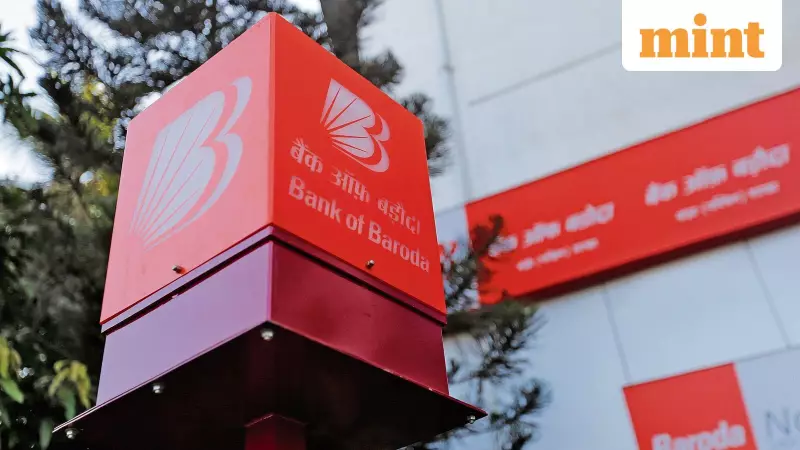
Bank of Baroda Initiates Process for $500 Million Offshore Bond Issue
Bank of Baroda, India's second-largest public sector lender, is gearing up to raise around $500 million through an issuance of US dollar bonds. This move is part of the bank's broader $4 billion medium-term note programme, as detailed in a document reviewed by Mint. The bank has officially invited bids to appoint joint lead managers for this proposed standalone Reg-S bond issue, marking the initial step toward accessing overseas investors.
Understanding the Reg-S Bond Mechanism and Process Timeline
The proposed bond issuance will utilize a Reg-S framework, which permits the sale of bonds to non-US investors, primarily in Europe and Asia, without requiring registration in the United States. According to the document, the issuance may be executed in one or multiple tranches, depending on prevailing market conditions. Bank of Baroda has set a deadline of 16 February for the submission of technical and financial bids, with technical proposals scheduled to open on 17 February and financial bids on 18 February.
While specific details such as tenure, coupon rates, and final pricing will be determined closer to the launch, the issuance is expected to be fully underwritten by that time. The appointed joint lead managers will be responsible for:

- Structuring the deal
- Marketing the bonds
- Bookbuilding activities
- Pricing the issuance
Strategic Utilization of Proceeds and Programme Updates
Market participants indicate that the proceeds from this bond sale are likely to be allocated for general corporate purposes. This includes funding overseas operations and refinancing existing liabilities, aligning with Bank of Baroda's comprehensive foreign currency funding strategy. The bank is currently updating its medium-term note programme based on its December 2025 financials, a necessary prerequisite for proceeding with the offshore bond sale.
The $4 billion programme provides the bank with significant flexibility to raise funds periodically from global markets. As part of their mandate, the joint lead managers will coordinate with international and domestic legal counsels and ratings agencies. They will also manage roadshows and investor meetings, and oversee the listing of the bonds on a recognized overseas exchange, such as the Singapore Exchange or GIFT City.
Indian Banks Turning to Offshore Markets Amid Domestic Challenges
This move by Bank of Baroda reflects a broader trend among Indian lenders who are increasingly turning to offshore bond markets to diversify their funding sources. This shift comes amid tightening domestic liquidity conditions and rising credit demand. Anil Gupta, Senior Vice President and Co-Group Head of Financial Sector Ratings at ICRA, commented on this trend, stating, "I don't know whether they are raising funds because there is an opportunity overseas. Generally, when liquidity is tight in the domestic market, it opens a window for Indian banks to raise funds through bonds and lend via ECBs to Indian corporates."
In such scenarios, companies—whether NBFCs or others—seeking to borrow for three to five years often prefer the External Commercial Borrowings (ECB) market over local alternatives. Data from the Reserve Bank of India reveals that in the first half of FY26, Indian companies raised $18.49 billion in ECBs. This figure represents a decline from the $25.42 billion raised during the same period in the previous fiscal year.
Challenges in the ECB Market and Currency Dynamics
The slowdown in ECB activity during 2025 can be attributed partly to the rupee's depreciation of over 6% against the US dollar. This weakening was driven by strong demand for the US currency, foreign portfolio outflows, and US tariffs on Indian goods. Last week, the domestic currency hit an all-time low of 91.7450 against the dollar, pressured by steep demand for the greenback from importers and foreign portfolio investors.

One of the most significant challenges companies have faced this year is the steep hedging rates for borrowing abroad, exacerbated by the rupee's depreciation over the past year. In contrast, domestic interest rates have eased since February 2025, following the RBI's cumulative 125 basis points cut in the repo rate.
Gupta of ICRA further elaborated on this dynamic, noting, "Opportunities arise because domestic liquidity and funding availability are tight, not because of rates. Rates vary from company to company, and even if dollar rates are low, hedging costs can be high due to a depreciating rupee and tariff-related risks. So, even if dollar rates appear competitive, the overall lending cost may not be attractive. Still, corporates may opt for ECBs because they need funds and face challenges in raising money domestically."
Notable ECB borrowings in recent months include Tata Capital ($400 million in January), Mumbai International Airport Ltd ($800 million in June), and Sammaan Capital ($300 million in August). Bank of Baroda's proposed dollar bond issue positions the lender to tap into a broader global investor base once market conditions become more favourable, reinforcing its strategy to navigate both domestic constraints and international opportunities.





