

Nationwide Bank Strike Scheduled for January 27, 2026: What You Need to Know
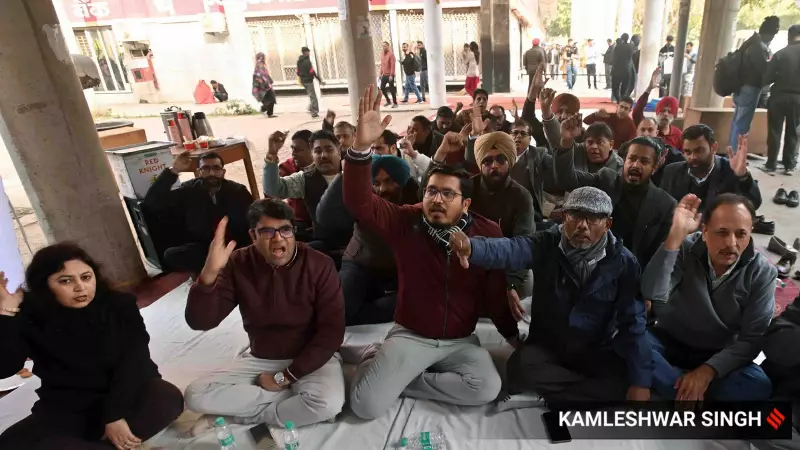
Banking services across India are set to face significant disruption as employee and officer unions have announced a nationwide strike on Tuesday, January 27, 2026. The industrial action, called by the United Forum of Bank Unions (UFBU), is expected to impact most public sector banks, potentially affecting millions of customers.
Timing and Duration of the Banking Strike
The strike is scheduled to commence at midnight on January 26 and continue through midnight on January 27, 2026. This 24-hour work stoppage comes after conciliation meetings held earlier this week by the Chief Labour Commissioner failed to yield any positive outcome, leaving unions with no alternative but to proceed with their planned action.
Core Demands Behind the Industrial Action
According to UFBU representatives, the strike centers on implementing commitments made during the wage revision settlement signed in March 2024 between the Indian Banks' Association (IBA) and bank unions. The primary demand involves declaring all Saturdays as bank holidays, effectively transitioning to a five-day work week.

The UFBU has formally served a strike notice to the IBA, the Chief Labour Commissioner, and the Department of Financial Services under the provisions of the Industrial Disputes Act, 1947.
Union leaders argue that a five-day schedule represents a long-pending reform rather than a concession, noting that bank employees currently work largely six-day weeks with only the second and fourth Saturdays off along with Sundays. They emphasize that productivity would not suffer, as employees have already agreed to work an additional 40 minutes daily from Monday to Friday.
Which Banking Institutions Will Be Affected?
If the strike proceeds as announced, customers may face disruptions at major public sector lenders including:
- State Bank of India
- Punjab National Bank
- Bank of Baroda
- Bank of India
- Other government-owned banks
Most affected institutions have already cautioned customers about possible interruptions in branch services. The strike action primarily impacts public sector banks and some old-generation private banks represented by UFBU's nine major trade unions. Large private sector banks such as HDFC Bank, ICICI Bank, and Kotak Mahindra Bank are likely to function normally during this period.
Alternative Banking Channels Available During Strike
While physical branch operations may be disrupted, multiple digital alternatives remain accessible to customers:
- ATMs and Automated Deposit cum Withdrawal Machines (ADWMs) for cash transactions
- Customer Service Points (CSPs) - authorized service centers conducting banking transactions on behalf of partner banks
- Digital payment platforms including UPI services
- Mobile banking applications such as YONO and other bank-specific apps
- Internet banking portals for online transactions
The country's largest lender, State Bank of India, has advised customers to plan essential banking transactions in advance and utilize digital channels during the strike period.
Broader Context of Banking Sector Reforms
Bank unions have highlighted that several major financial institutions including the Reserve Bank of India, Life Insurance Corporation, stock exchanges, and most government offices already operate on five-day work weeks. They question why commercial banks continue with longer schedules despite similar operational requirements.
The UFBU emphasized their position through social media, stating: "Bank employees power India's financial stability, inclusion, and growth, often at the cost of their own well-being. A 5-day work week is not a concession; it's a long-pending reform. The commitment is on record. It must be implemented."
As the strike deadline approaches, banking customers are advised to complete urgent transactions beforehand and familiarize themselves with digital alternatives to minimize inconvenience during the 24-hour work stoppage.






