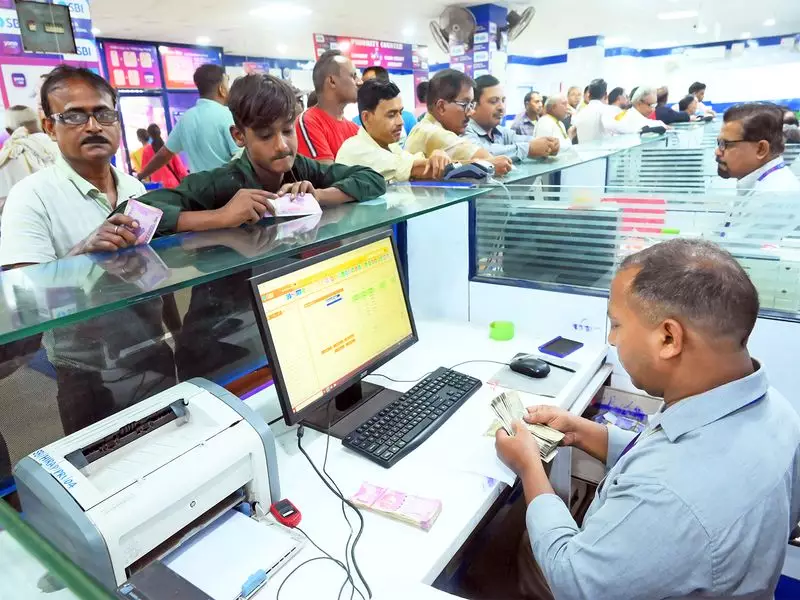
The Indian banking system is demonstrating remarkable strength and is well-positioned for a sustained phase of healthy credit expansion, according to a recent analysis. A report from Bank of Baroda underscores the sector's robust fundamentals and its capacity to support the growing credit needs of the economy.
Strong Fundamentals Underpin Banking Resilience
The report paints an optimistic picture of the sector's health. It highlights that the improvement in asset quality has been a cornerstone of this resilience. Banks have successfully worked through legacy bad debt issues, leading to significantly lower non-performing assets (NPAs). This cleaner balance sheet provides a solid foundation for lending.
Furthermore, the sector is benefiting from strong capital adequacy ratios. Banks are well-capitalized, exceeding regulatory requirements, which acts as a crucial buffer against potential risks and empowers them to expand their loan books aggressively. The report also notes that profitability metrics have seen a consistent uptick, supported by wider net interest margins and controlled provisions.

Credit Growth Momentum and Sectoral Trends
The data on credit growth is particularly encouraging. Non-food credit growth has been robust, reflecting broad-based economic demand. The report delves into sector-specific trends that are driving this expansion.
Retail loans continue to be a major growth engine. Demand for housing, vehicle, and personal loans remains healthy, fueled by rising incomes and stable interest rates. On the corporate side, there is a noticeable pickup in credit offtake. Industries are seeking loans for capacity expansion, working capital, and new projects, signaling renewed private sector investment confidence.
The services and agriculture sectors are also contributing to the credit growth story. Increased lending to sectors like tourism, transport, and trade complements the industrial recovery. Agricultural credit flow remains vital, supporting rural demand and farm productivity.
Outlook and Implications for the Economy
The positive assessment by Bank of Baroda suggests that the banking sector is not just recovering but is in a phase of strengthening. This resilience is critical for the broader economy. A healthy banking system acts as an efficient conduit for monetary policy transmission, ensuring that credit reaches productive sectors.
The report implies that the current momentum in credit growth is sustainable. With strong capital buffers, improved asset quality, and stable liability profiles, banks are equipped to meet the rising credit appetite without compromising on risk standards. This environment supports continued economic growth, job creation, and infrastructure development.
However, the analysis also likely cautions about monitoring global headwinds and domestic inflationary pressures, which could influence interest rates and borrowing costs. Maintaining credit discipline while supporting growth will be the ongoing focus for lenders.
In conclusion, the Bank of Baroda report provides a confident appraisal of the Indian banking landscape. The sector's strengthened fundamentals are creating a virtuous cycle of growth, stability, and increased lending capacity, which bodes well for the nation's economic trajectory.