

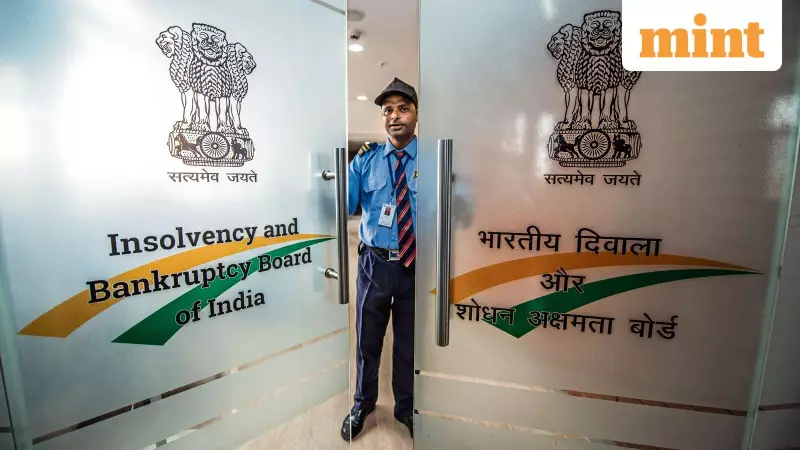
The Indian government is gearing up for a significant revamp of the country's debt recovery framework in the upcoming Union Budget for 2026-27. According to sources familiar with the development, the Centre plans to announce amendments to key laws, including the SARFAESI Act, 2002, and rules governing Debt Recovery Tribunals (DRTs). The primary objective is to fast-track recoveries and clear the massive backlog of cases that has been clogging the system.
Key Proposed Reforms in the Pipeline
The proposed changes aim to ensure that the three pillars of India's debt recovery ecosystem—the SARFAESI Act for secured enforcement, the Recovery of Debts and Bankruptcy Act, 1993, for adjudicated recovery, and the Insolvency and Bankruptcy Code (IBC), 2016—work in harmony rather than at cross-purposes. One major proposal is to classify Special Situation Funds (SSFs), a new class of Alternative Investment Funds (AIFs), as financial institutions for the purpose of debt resolution. This move could bring in more capital and expertise for resolving stressed assets.
Another critical change under consideration is granting banks greater autonomy by removing the clause that currently requires a borrower's approval to withdraw debt recovery proceedings. Furthermore, the government may amend the SARFAESI Act to prevent borrowers from redeeming securities once creditors have finalised the sale. This issue has been a major contributor to litigation in DRTs.

The Scale of the Problem: A System Under Strain
The urgency for reform is underscored by staggering numbers. As of late 2025, approximately 178,000 cases were pending before the country's 39 functional DRTs and five Debt Recovery Appellate Tribunals (DRATs). Out of these, a significant 66,876 applications were filed specifically under the SARFAESI Act. The system is overwhelmed, with nearly 60,000 new cases filed annually against a disposal rate of only 30,000-40,000.
The trigger for re-examining the SARFAESI rules came from a September 2025 Supreme Court order. The court raised concerns over the mandatory 30-day waiting period between the publication of a sale notice and the actual sale of secured assets. It questioned the logic of this gap if the borrower's right to redeem ends with the notice, stating it creates uncertainty and invites litigation. A government committee was formed to address these concerns, and its observations are likely to shape the upcoming amendments.
Broader Impact and Industry Perspectives
Experts argue that these reforms are crucial for strengthening bank balance sheets, especially with the implementation of the Expected Credit Loss (ECL) accounting model. "Reforms in debt recovery rules and the SARFAESI Act are necessary to ensure asset recoveries are maximized and the impact of ECL is minimized," said Vivek Iyer of Grant Thornton Bharat. Efficient recovery mechanisms help minimize Loss Given Default (LGD), keeping provisioning requirements in check.
Nitin Jain of EY India highlighted that while the IBC has improved credit discipline for large corporates, a robust SARFAESI framework is essential for the retail and MSME segments. "Strengthening SARFAESI and DRTs is essential to create a balanced, efficient, and sustainable debt recovery ecosystem," he stated. The government is also considering a plan to encourage banks to withdraw or settle small-value cases (between ₹20 lakh and ₹1 crore) outside DRTs to reduce the caseload, as transaction costs often exceed potential recovery in these matters.
Legal experts like Prateek Kumar of Khaitan & Co. emphasize the need for operational efficiency within tribunals, including strict timelines for high-value cases and penalties for unwarranted adjournments. The final set of proposals, aimed at providing greater certainty and reducing judicial backlogs, is expected to be unveiled when Finance Minister presents the Budget in February 2026.






