India's celebrated digital payments revolution, spearheaded by platforms like UPI, appears to be hitting a stubborn roadblock. Contrary to the narrative of a cashless future, physical currency continues to reign supreme in vast swathes of the economy, raising questions about the depth of the digital transformation.
The Unshakeable Domains of Cash
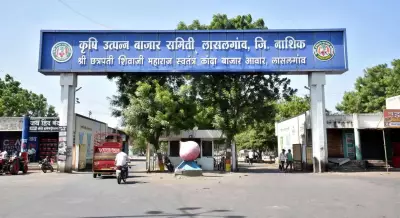
While digital transactions have seen phenomenal growth in urban and formal settings, several critical sectors remain firmly in the grip of cash. Property transactions are a prime example, where large sums change hands predominantly in physical currency due to a mix of opacity, tax considerations, and established practices. Similarly, agriculture and the informal industry, which form the backbone of the Indian economy, operate almost entirely on cash. This is driven by factors like daily wage payments, small-scale procurement, and a lack of consistent digital infrastructure.
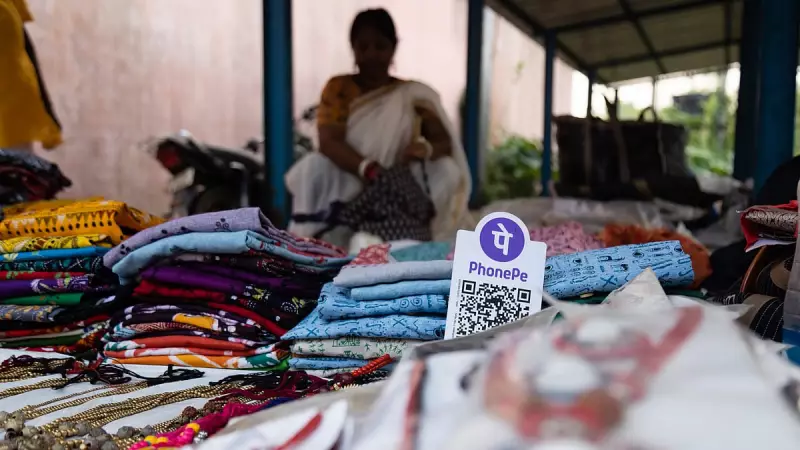
Furthermore, rural retail continues to be a cash-first ecosystem. Despite the proliferation of smartphones, trust in tangible money, network connectivity issues, and the comfort of traditional bargaining keep digital payments at bay for a majority of small transactions in villages and small towns.

Why Digital Payments Are Losing Steam
The initial explosive growth of digital payments, post-demonetisation and during the pandemic, was fueled by necessity and incentives. However, that momentum is now facing reality checks. For many in the informal and rural sectors, digital payments do not yet offer a compelling advantage over cash, which is perceived as immediate, reliable, and free of transaction friction or failure anxiety.
Experts like Subhash Chandra Garg, former Finance Secretary, point out that the push for digitisation often overlooks the structural realities of the Indian economy. The need for a robust last-mile financial ecosystem, consistent internet access, and digital literacy are prerequisites that are still being built. Until these gaps are bridged, cash will maintain its crown.
The Road Ahead for a Less-Cash Economy
The situation underscores that India's journey is towards a 'less-cash' economy, not a 'cashless' one, at least in the foreseeable future. The challenge for policymakers and fintech companies is to design solutions that are intuitive, accessible, and offer tangible value to segments like farmers, small traders, and daily wage earners.
Simply put, for digital payments to gain deeper penetration, they must solve the unique problems of India's cash-dominated sectors rather than expecting these sectors to adapt to existing digital models. The coexistence of cash and digital modes seems to be the enduring reality of the Indian economic landscape.