

A significant shift is underway in how Indians pay for goods and services. New data reveals a sharp decline in the use of debit cards, as consumers increasingly turn to Unified Payments Interface (UPI) for their everyday transactions and reserve credit cards for larger, high-value purchases.
The Numbers Tell the Story: A Steep Drop in Debit Card Usage
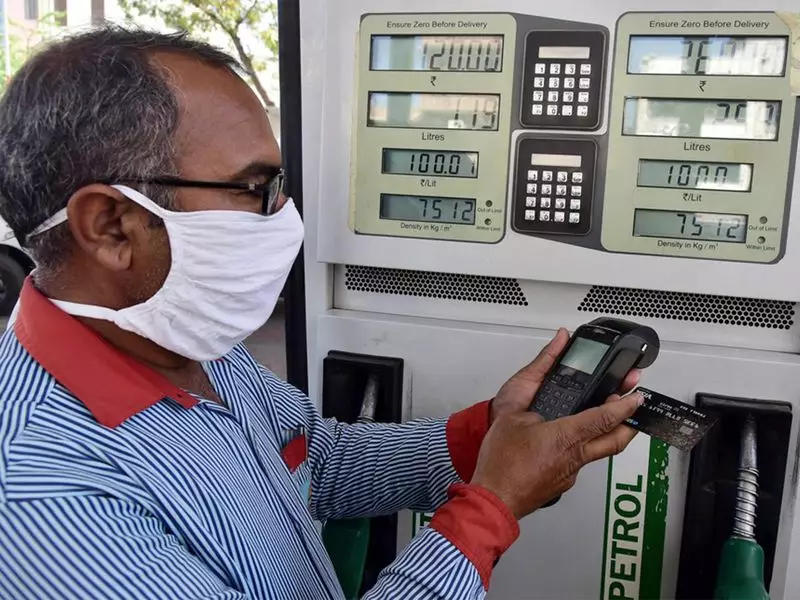
According to the latest 'India Digital Payments Report' for Q1 2024 by payment solutions provider Worldline, debit card usage at point-of-sale (PoS) terminals witnessed a substantial fall. The volume of debit card transactions dropped by a significant 16 per cent compared to the same period last year. This decline highlights a changing consumer preference in the rapidly evolving digital payments ecosystem of the country.
While debit cards are losing ground, the overall payments landscape is booming. The total number of payment cards in circulation in India crossed 1.5 billion by March 2024. This includes over 1 billion debit cards and more than 100 million credit cards. The total value of transactions processed at PoS terminals and through online channels reached an impressive Rs 9.33 lakh crore in the first quarter of the year.

UPI: The Undisputed Champion for Everyday Payments
The primary driver behind the debit card's decline is the overwhelming adoption of UPI. Its convenience, speed, and interoperability have made it the go-to choice for daily, low-to-medium value transactions. From buying groceries and paying utility bills to splitting a restaurant tab, UPI's dominance is clear. The report notes that UPI continues to be the preferred instrument for Person-to-Merchant (P2M) transactions, effectively replacing cash and card swipes for routine spending.
Credit cards, however, are carving out their own distinct niche. Consumers are increasingly using them for bigger purchases, likely motivated by reward points, cashback offers, and interest-free credit periods. This trend indicates a maturing market where payment instruments are being selected strategically based on the transaction value and the benefits attached.
Infrastructure Growth and Merchant Adoption
Supporting this digital shift is the continued expansion of physical and digital acceptance points. The number of PoS terminals installed across India grew by 5 per cent year-on-year, reaching 8.9 million in March 2024. Furthermore, the ecosystem of online merchants accepting digital payments also expanded by 17 per cent, showing robust growth in e-commerce and digital service adoption.
This growth is not just in metro cities but is increasingly visible in Tier 2, Tier 3, and even Tier 4 locations, demonstrating the deep penetration of digital payment infrastructure.
What This Shift Means for India's Financial Landscape
The data points to a clear bifurcation in consumer payment behavior. The humble debit card, once a primary tool for digital spending, is being sidelined for daily use. Its future may lie more as an ATM withdrawal instrument, while UPI handles the day-to-day load.
For banks and financial institutions, this trend has important implications. It underscores the need to innovate on debit card value propositions or risk further irrelevance. Meanwhile, the surge in credit card usage for high-value items brings both opportunity and the need for continued focus on responsible lending and consumer education to avoid debt traps.
The Worldline report, compiled in collaboration with the Payment Council of India (PCI), confirms that India's digital payment journey is accelerating, but the tools leading the charge are rapidly changing. The era of a one-card-fits-all approach is fading, making way for a more nuanced, value-driven, and platform-based payment economy.






