

Fed's Bowman Overhauls Bank Oversight, Cuts Staff Amid Trump Pressure
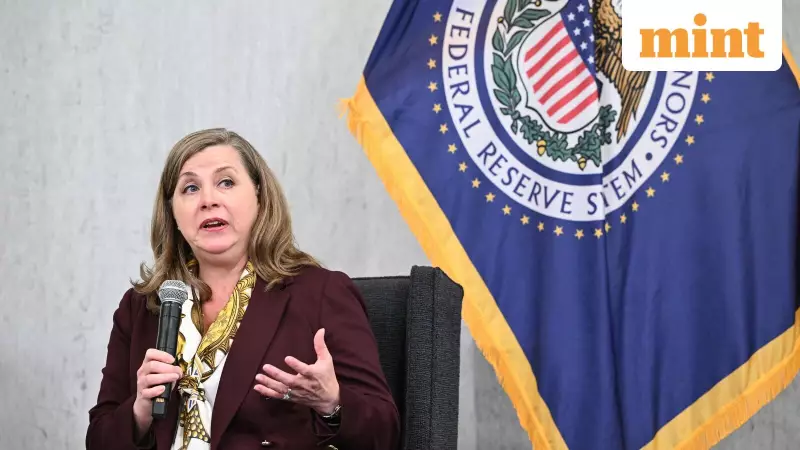
Michelle Bowman, the Federal Reserve's vice chair for supervision, is spearheading a significant transformation of the central bank's oversight mechanisms, slashing staff, altering regulations, and intensifying internal tensions in the process. Appointed during President Trump's first term, Bowman has positioned herself as a key figure in rolling back what she and many in the Trump administration perceive as excessive regulations stemming from the 2008-09 financial crisis.
A New Direction for Banking Supervision
In a pivotal meeting last September, Bowman met with top officials from the Fed's 12 regional districts and delivered a stern rebuke, emphasizing her authority and demanding alignment with her new supervisory approach. This meeting, described by insiders as a dressing-down, highlighted her intent to ease the regulatory burden on banks and shift focus away from procedural shortcomings toward core financial risks.
Bowman, who prefers to be called "Miki," has outmaneuvered skeptics, including Fed Chair Jerome Powell, to secure her role. Her background as a former banker from Kansas, with experience in a family-owned community bank, has shaped her perspective, often putting her at odds with the Fed's more established, cosmopolitan culture.

Staff Reductions and Internal Tensions
Bowman has implemented substantial staff cuts, targeting a 30% reduction in the supervision and regulation division and offering voluntary buyout packages. These measures, while viewed by some as necessary to counteract bureaucratic bloat, have raised concerns among former Fed officials, Democratic lawmakers, and banking watchdogs about a potential hollowing out of regulatory oversight.
Internally, examiners have interpreted her policies as discouraging toughness on banks, with some being sidelined or removed after banks lodged complaints. This has fueled fears that the Fed may struggle to identify emerging risks before they become systemic, echoing worries expressed by figures like former Fed governor Daniel Tarullo.
Political Context and Broader Reforms
Bowman's overhaul coincides with increased pressure from President Trump on the Fed to lower interest rates and a criminal investigation into Powell's testimony. As Trump prepares to nominate a replacement for Powell, Bowman's actions add to the dramatic reshaping of the central bank.
Her reforms include stricter guidelines for citing banks, limits on defining unsafe practices, and mechanisms for banks to contest examiner findings more easily. Bowman argues that these changes will enhance transparency, efficiency, and risk-spotting, ultimately making the financial system safer and more supportive of economic activity.
Challenges and Future Outlook
Despite her accomplishments, Bowman's combative relationship with staff and longtime Fed insiders poses challenges to her ambitious agenda. Her reliance on a small inner circle and the hiring of an outside consultant to review the Silicon Valley Bank failure underscore her determination to break from past practices.
As Bowman continues to push for a comprehensive review of the supervisory framework, the outcome of her efforts will significantly impact the Fed's role in financial regulation and its independence amid ongoing political pressures.






