

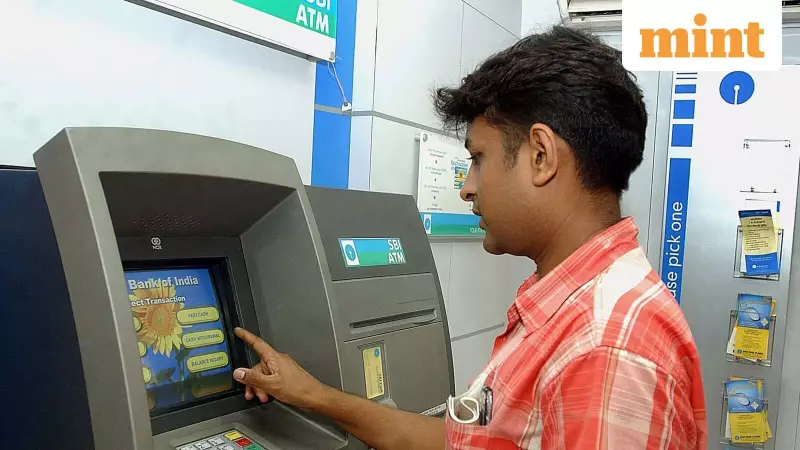
Government Plans Nationwide Rollout of Small Note Dispensers to Solve Cash Change Crisis
Have you ever tried paying with a ₹500 note only to be met with an apologetic shrug from the vendor? This everyday cash headache that plagues millions of Indians may finally have a solution in sight. The Centre is actively exploring a nationwide rollout of specialized machines that dispense small-denomination notes—specifically ₹10, ₹20 and ₹50—along with hybrid ATMs designed to swap larger notes for smaller change on demand.
Addressing the Persistent Cash Gap
The concept is straightforward yet potentially transformative: deploy these machines in locations where cash pain is most acute. This includes bustling markets, busy transport hubs, hospitals, and government offices where small transactions dominate daily commerce. Years after the landmark demonetisation exercise, high-value notes continue to dominate wallets across India, while usable change remains frustratingly scarce. For daily wage earners, small traders, and regular commuters, this gap turns routine payments into minor negotiations that waste time and create friction in economic exchanges.
This initiative isn't about reducing cash usage but rather about making existing cash systems work more efficiently. Pilot projects are already underway in Mumbai to test whether this model proves both practical and affordable at scale. The Reserve Bank of India may also increase printing of low-value notes to ensure these machines don't run dry during peak demand periods.

Practical Challenges and Digital Balance
Despite the promising concept, significant questions remain unanswered. Will commercial banks find large-scale deployment financially viable given the operational costs? Can machines alone fix what is fundamentally a supply imbalance in the currency ecosystem? Perhaps most importantly, how does India strike the right balance in a country that's racing toward digital payments while remaining deeply reliant on physical cash for countless daily transactions?
The proposed solution represents a pragmatic approach to a problem that has persisted since demonetisation reshaped India's currency landscape. By focusing on the last-mile distribution of small notes, the government aims to lubricate the wheels of India's vast informal economy where digital payments have made only partial inroads.
Broader Economic Implications
This move could have far-reaching effects beyond mere convenience. Improved access to small denomination notes could:
- Boost small transactions in markets and local businesses
- Reduce time wasted in change-related negotiations
- Support financial inclusion for those less comfortable with digital payments
- Complement rather than compete with India's digital payment infrastructure
As India continues its dual-track approach of promoting digital payments while maintaining robust cash systems, solutions like small-note dispensers represent an important middle ground. They acknowledge the reality that despite UPI's remarkable success, physical currency remains indispensable for millions of Indians, particularly in smaller towns and rural areas.
The success of this initiative will depend on careful implementation, sustainable business models for banks, and continuous monitoring of usage patterns. If executed effectively, it could transform how Indians interact with cash in their daily lives, making transactions smoother and more efficient across the country.






