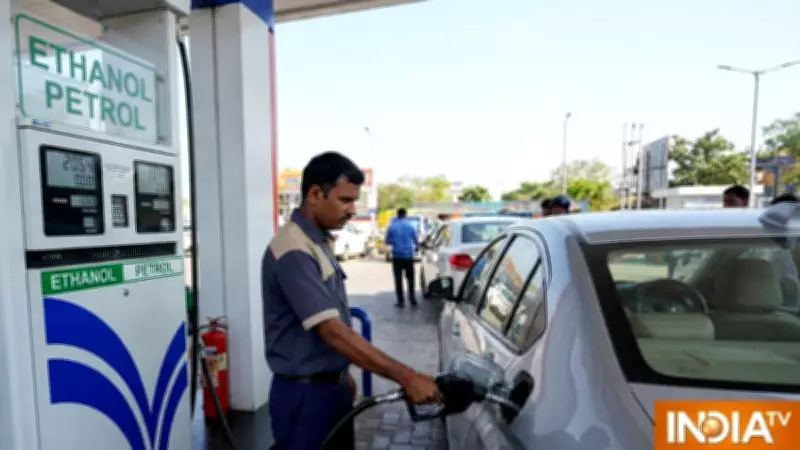
The Indian government has announced the removal of excise duty on ethanol-blended petrol with blending percentages ranging up to 30 percent. This move is expected to encourage the use of ethanol in fuel, reduce dependence on fossil fuels, and potentially lower fuel expenses for consumers.
Key Details of the Decision
The decision covers ethanol-blended petrol (EBP) with blending levels from 20 percent to 30 percent. Previously, excise duty was applicable on such blends, but the government has now exempted them to promote cleaner fuel alternatives. The notification was issued by the Central Board of Indirect Taxes and Customs (CBIC) on June 10, 2026.
Impact on Fuel Prices
While the removal of excise duty reduces the cost burden on oil marketing companies (OMCs), it may not directly translate to lower pump prices for consumers immediately. However, in the long run, increased ethanol blending could lead to cheaper fuel options as ethanol is generally cheaper than petrol. Additionally, this policy supports the country's target of achieving 20 percent ethanol blending by 2025-26.

Benefits for the Environment and Economy
The move is part of India's broader strategy to reduce carbon emissions and promote renewable energy. Ethanol blending reduces vehicular emissions and helps in managing surplus sugar production. It also provides an additional income source for farmers growing sugarcane and other feedstock for ethanol production.
The government has been progressively increasing the ethanol blending target. Currently, India has achieved around 10 percent blending, and with this excise duty exemption, the pace is expected to accelerate.
What This Means for Consumers
For the average vehicle owner, the direct benefit may take time as OMCs adjust pricing. However, the policy is expected to stabilize fuel prices in the medium term. The government is also working on expanding ethanol production capacity to meet the rising demand.
Industry experts have welcomed the decision, stating that it will boost investment in ethanol production infrastructure and create jobs. The excise duty exemption is a significant step towards making ethanol-blended petrol more competitive and widespread across the country.