

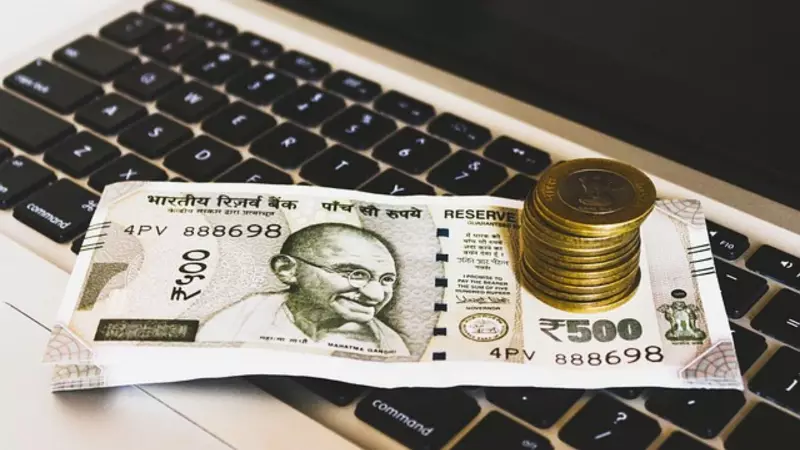
The dawn of 2026 brings a wave of significant regulatory shifts set to reshape the financial landscape for millions of Indians. Starting January 1, a series of new rules will come into force, directly impacting banking services, taxation procedures, household expenses, and government benefits. These changes, introduced by various authorities including the Central Government and the Reserve Bank of India (RBI), aim to streamline systems, enhance security, and adjust to economic realities.
Critical Compliance Deadlines and New Commissions
A crucial deadline arrives as the calendar flips. Linking your Permanent Account Number (PAN) with Aadhaar becomes mandatory from January 1, 2026. Citizens who fail to complete this linkage by December 31, 2025, risk facing restrictions in accessing essential banking and government services. This step is designed to prevent accounts from being frozen and to ensure seamless filing of income tax returns and receipt of refunds.
Simultaneously, a significant development for government employees and pensioners will be set in motion. The 8th Pay Commission officially comes into effect from January 1, 2026, marking the start of its tenure. This commission is tasked with reviewing and adjusting the pay structures for central government employees and pensions to align with contemporary living costs and inflation. However, it is vital to note that actual revisions in salary and pension will not be immediate. The revised pay structure will be implemented only after the commission submits its recommendations and the Union Cabinet grants approval, a process anticipated to conclude after May 2027.

Reforms in Taxation, Digital Payments, and Credit
The new year will also introduce a redesigned interface for taxpayers. Income Tax Return (ITR) forms are expected to be revamped from January 1, 2026. The new forms will likely come pre-filled with data sourced from banks, GST filings, and stock brokers, significantly simplifying the tax filing process for individuals.
In a move to bolster security in the digital finance ecosystem, banks will enforce stricter verification norms. This includes enhanced checks on Unified Payments Interface (UPI) transactions and tighter SIM verification processes for messaging apps like WhatsApp and Telegram, commonly used for payment links. The objective is to create a more secure, inclusive, and scam-free digital payment environment.
Furthermore, the way credit scores are updated is getting a major speed boost. Starting April 1, 2026, credit bureaus will transition from a 15-day cycle to weekly updates of customer credit data. This means loan repayments and defaults will reflect in your credit score much faster, allowing responsible borrowers to see improved eligibility for new loans almost immediately after clearing debts.
Sector-Specific Changes: Fuel, Gold Loans, and Farmer Benefits
Household budgets will feel the impact of revised pricing for essential fuels. The government is slated to introduce new prices for domestic and commercial LPG cylinders, as well as Aviation Turbine Fuel (ATF). These revisions will directly affect kitchen expenses and potentially airfare costs, though the exact impact will become clearer in the coming months.
The RBI is standardising the landscape for loans against precious metals. The Reserve Bank of India (Lending Against Gold and Silver Collateral) Directions, 2025, issued on June 6, 2025, will unify regulations across banks and Non-Banking Financial Companies (NBFCs). This new framework introduces loan-to-value limits, caps the quantity of jewellery and coins that can be pledged, and mandates standardised valuation methods. The goal is to ensure uniform standards, strengthen consumer protection, and bring greater transparency to this lending segment.
For the agricultural sector, a new registration requirement is being introduced for the PM-Kisan scheme. While existing beneficiaries will continue to receive support, new applicants must now register with a unique digital farmer ID to be eligible for the annual Rs 6000 financial assistance. This system aims to directly link farming benefits to verified bank records, ensuring support reaches the intended recipients and operates with greater integrity and transparency.

Collectively, these changes from January 2026 represent a substantial shift in India's financial regulatory framework, touching the lives of salaried individuals, taxpayers, farmers, borrowers, and common consumers. Staying informed about these updates is key to navigating the new year's financial obligations and opportunities smoothly.





