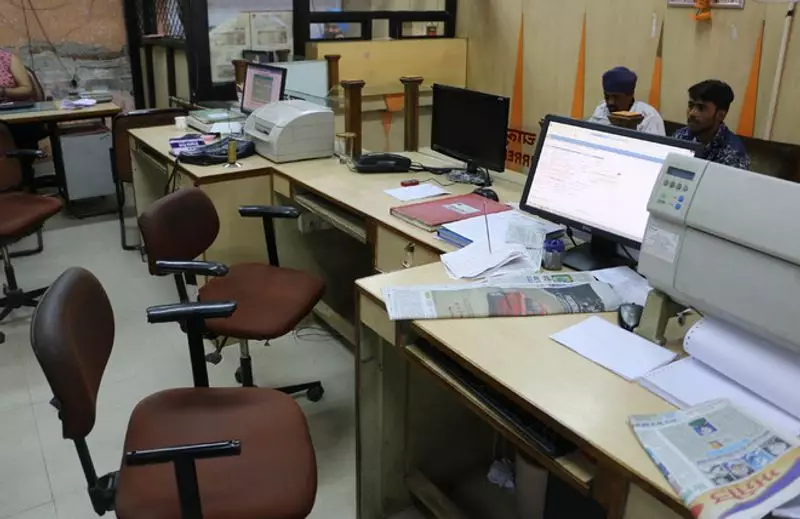
Operations across India's banking sector are set to face significant disruption as employee unions have announced a nationwide strike for Monday, January 27, 2025. The decision comes after talks with the Indian Banks' Association (IBA) failed to resolve key issues related to employee welfare and industry policies.
Unions Unite for Day-Long Protest
The strike call has been given by the United Forum of Bank Unions (UFBU), an umbrella body representing nine major bank employee unions. These unions collectively represent the vast majority of staff working in public sector banks, private banks, foreign banks, regional rural banks, and even cooperative banks. The primary demands fueling this industrial action include the updation of pension for retirees and a firm opposition to the proposed new pension scheme known as the National Pension System (NPS) for employees.
Beyond pension concerns, the unions are also protesting against what they term as "anti-employee" and "anti-customer" banking policies. They have expressed strong disapproval of the government's move to privatize public sector banks and the increasing trend of outsourcing permanent bank jobs. The UFBU has stated that the IBA's response to their charter of demands has been unsatisfactory, leaving them with no alternative but to proceed with the strike.

Potential Impact on Banking Services
While the strike is intended to be a one-day event, its effects on the public could be substantial. On January 27, customers may encounter closed bank branches and experience delays in several services. Routine operations such as cash withdrawals, deposits, cheque clearances, and loan processing are likely to be affected.
However, some critical services may continue to function. Operations handled by bank officers and staff who are not part of the striking unions might remain operational. Furthermore, digital banking channels—including internet banking, mobile banking apps, and ATMs—are expected to remain accessible to customers, provided they are stocked and functional. The extent of the disruption will largely depend on the participation rate of employees across different banks and regions.
A History of Discontent and Future Implications
This planned strike is not an isolated incident but part of an ongoing dialogue between bank unions and management. The UFBU has a history of organizing similar protests to press for their demands. The January 27 strike underscores the deepening friction between bank employees and the administration over fundamental issues of compensation, job security, and the future direction of public sector banking in India.
The success and impact of the strike will be closely watched. It will serve as a barometer for the unions' collective strength and could influence the IBA's stance in future negotiations. For the common citizen and business entities, it is advisable to complete any urgent banking transactions prior to the strike date to avoid inconvenience. The outcome of this protest may set the tone for labor relations in the banking sector for the coming year.