

The Indian government has launched a new initiative designed to transform how the country's vast Micro, Small, and Medium Enterprises (MSMEs) sector accesses credit. This move aims to tackle one of the most persistent challenges faced by small businesses: securing timely and adequate loans from formal banking channels.
How the New Credit Assessment Framework Works
At the heart of this initiative is a digital credit assessment model developed by the government. The core idea is to move beyond traditional, often cumbersome, methods of evaluating a small business's creditworthiness. Instead of relying solely on historical financial statements or collateral, which many young or informal MSMEs lack, the new model will leverage alternative data sources.
This data can include a wide array of digital footprints and operational metrics. For instance, it may analyze GST returns, utility bill payments, bank statement cash flows, and even digital transaction histories from platforms like UPI. By creating a more holistic and dynamic profile of an MSME, the model can generate a robust credit score that gives lenders greater confidence.

Addressing the Core MSME Financing Gap
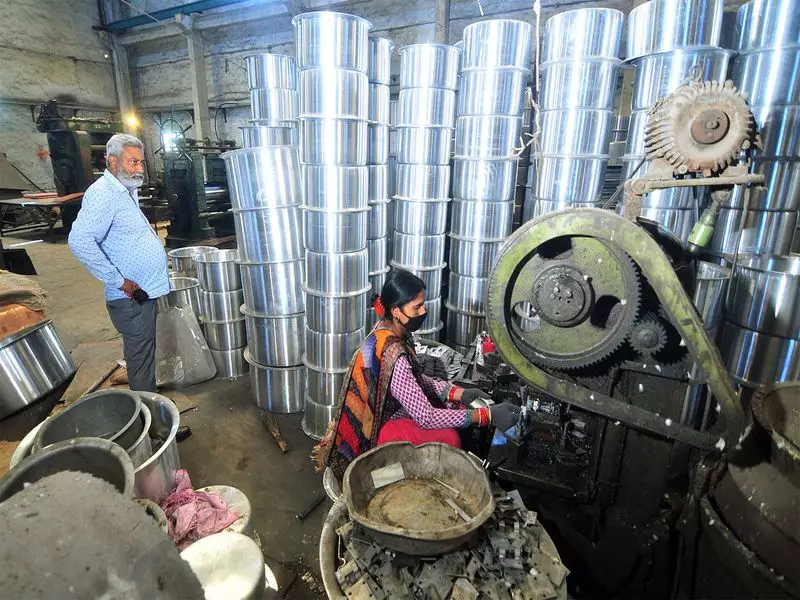
The need for such an intervention is critical. MSMEs are often described as the backbone of the Indian economy, contributing significantly to GDP, exports, and employment. However, a substantial credit gap of hundreds of billions of dollars persists. Banks and Non-Banking Financial Companies (NBFCs) have historically been cautious due to perceived high risks and the cost of servicing small-ticket loans.
The new framework directly addresses these pain points. By standardizing and digitizing the assessment process, it reduces the manual workload and time required for banks to process loan applications. This is expected to significantly cut down decision-making time and lower operational costs for lenders. For the MSME borrower, this translates to faster loan disbursals and potentially better terms, as lenders can more accurately price risk.
Integration with RBI's Public Tech Platform
A key aspect of this strategy is its planned integration with the Reserve Bank of India's (RBI) Public Tech Platform (PTP) for frictionless credit. The PTP acts as a centralized digital infrastructure that can seamlessly share validated financial information, with user consent, between various stakeholders like banks, credit bureaus, and government departments.
Integrating the new assessment model with the PTP will create a powerful ecosystem. Lenders can pull verified data directly through the platform, run it through the assessment algorithm, and arrive at a lending decision with unprecedented speed. This end-to-end digital process minimizes paperwork and physical branch visits, making formal credit accessible even in remote areas.
The Expected Impact on Digital Lending and Financial Inclusion
The government's initiative is poised to give a major boost to the digital lending landscape in India. By mitigating information asymmetry between lenders and small businesses, it opens the doors for more NBFCs and fintech companies to participate actively in MSME lending. This increased competition can further drive innovation and improve customer service.
Ultimately, the success of this model hinges on widespread adoption by lenders and trust from MSMEs. If implemented effectively, it promises to bring millions of informal and underserved small businesses into the formal financial fold. This would not only empower entrepreneurs but also strengthen the overall economic fabric by enabling MSMEs to invest, grow, and create more jobs.
This move aligns with the broader Digital India vision and represents a significant step towards data-driven, inclusive economic policymaking. The coming months will be crucial as the model is tested and refined in partnership with the banking sector.






