The Punjab government has temporarily shelved its April 7 decision to raise crop loan limits for farmers by 53%, following strong objections from cooperative banks. The state will continue with last year's lending rates for the time being.
Background of the Loan Hike Decision
The state government had recently increased the per-acre loan amount for paddy from Rs 25,400 to Rs 39,000 under the scale of finance (SOF) for Kisan Credit Cards (KCC). However, cooperative banks argued that they lack sufficient funds and are receiving reduced refinance support from the National Bank for Agriculture and Rural Development (NABARD).
Opposition from Cooperative Banks
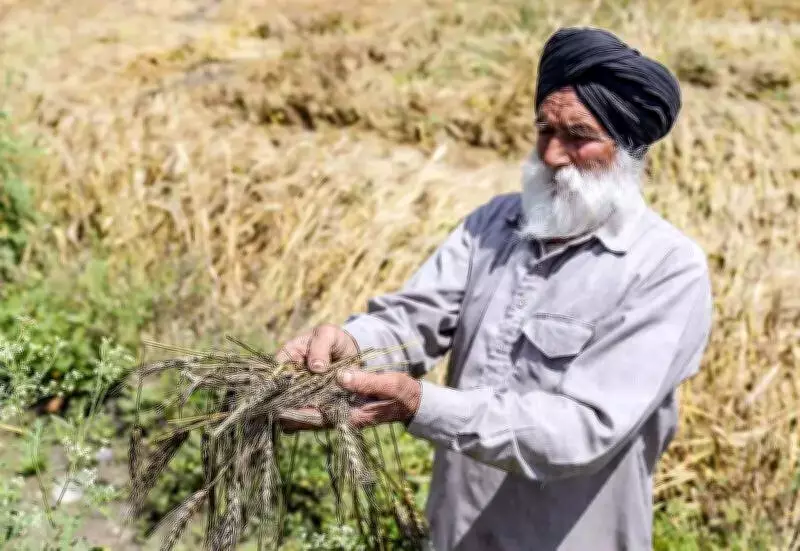
The Cooperative Bank Employees Federation of Punjab opposed the hike, citing the weak financial health of district cooperative banks. The federation even announced a two-hour strike on May 6 to protest the decision. On the other hand, farmers welcomed the increase, noting that loan limits had not been revised in seven years.

Punjab has 20 district cooperative banks, several of which—including those in Bathinda, Mansa, Ferozepur, Fazilka, Amritsar, and Tarn Taran—are struggling with poor loan recovery and have opposed the move.
Financial Constraints Faced by Banks
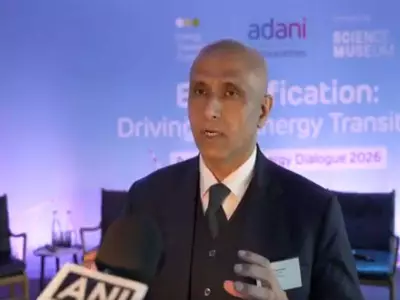
Nitin Kakar, president of the Cooperative Bank Employees Federation State of Punjab, explained that reduced refinance from NABARD and tight margins make it difficult for banks to offer higher loans at subsidised rates without government support. He noted that NABARD's funding support dropped from approximately Rs 3,500 crore in 2021-22 to Rs 1,110 crore in 2025-26, significantly reducing the money available for lending.
Kakar elaborated on the system's thin margins: "NABARD lends to state cooperative banks at 4.5%, which is passed on to district banks at 4.75% and then to primary agricultural credit societies (PACS) at 5%. But with limited low-cost funds, banks are being forced to borrow at higher market rates of around 7.1%. At that rate, we incur a loss of over 2% because loans are still given to farmers at 5%."
Impact of Previous Setbacks
Kakar claimed that earlier setbacks, such as loan waivers and demonetisation, had already weakened the financial position of cooperative banks. "With rising losses and limited funds, we have asked the government either to provide financial support or roll back the higher loan limits," he added.
Government Response
Punjab registrar of cooperative societies, Girish Dayalan, confirmed that last year's SOF has been extended for the 2026-27 fiscal year, citing the need for procedural adjustments before implementing the revised limits. Cooperative banks maintain that they are under financial stress and cannot afford to provide higher crop loans at subsidised rates without adequate support.