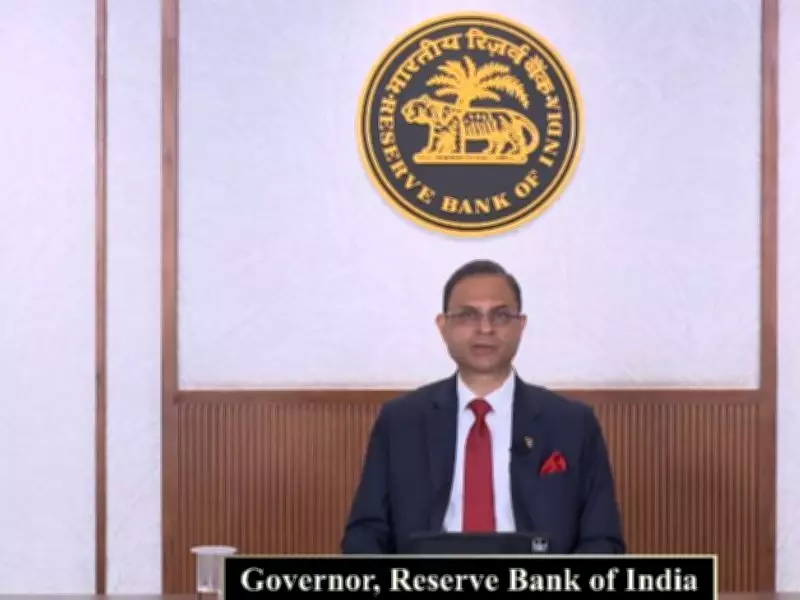
RBI to Introduce Draft Guidelines for Enhanced Customer Protection in Banking
The Reserve Bank of India (RBI) is taking a significant step forward in safeguarding the interests of bank customers by preparing to issue draft guidelines focused on preventing mis-selling and other unfair practices. This move aims to bolster transparency and accountability within the financial sector, addressing long-standing concerns about customer exploitation.
Key Focus Areas of the Draft Guidelines
The upcoming draft guidelines are expected to cover a broad spectrum of issues that impact consumers directly. Mis-selling of financial products, such as insurance policies or investment schemes that are not suited to a customer's needs, will be a primary target. Additionally, the guidelines will address unauthorized transactions and other unethical business practices that have led to customer grievances in the past.
By setting clear standards, the RBI intends to ensure that banks and financial institutions adopt more responsible behavior, thereby reducing instances of fraud and mismanagement.

Implications for the Banking Industry
These guidelines are likely to impose stricter compliance requirements on banks, necessitating enhanced training for staff and more robust internal controls. Financial institutions may need to revamp their sales processes to align with the new regulations, which could lead to increased operational costs but ultimately foster greater trust among customers.
The initiative reflects the RBI's ongoing commitment to consumer welfare, as part of its broader regulatory framework to maintain stability and integrity in India's banking system.
Expected Outcomes and Future Steps
Once the draft guidelines are released, they will be open for public feedback, allowing stakeholders including banks, consumer groups, and the general public to provide input. This collaborative approach is designed to refine the regulations before final implementation.
The RBI's proactive stance is anticipated to lead to:
- Reduced cases of customer exploitation through mis-selling.
- Improved transparency in financial transactions.
- Stronger legal recourse for affected consumers.
- Enhanced overall confidence in the banking sector.
This development underscores the central bank's role in not only regulating monetary policy but also in protecting the rights of everyday Indians, ensuring a fair and secure financial environment for all.