

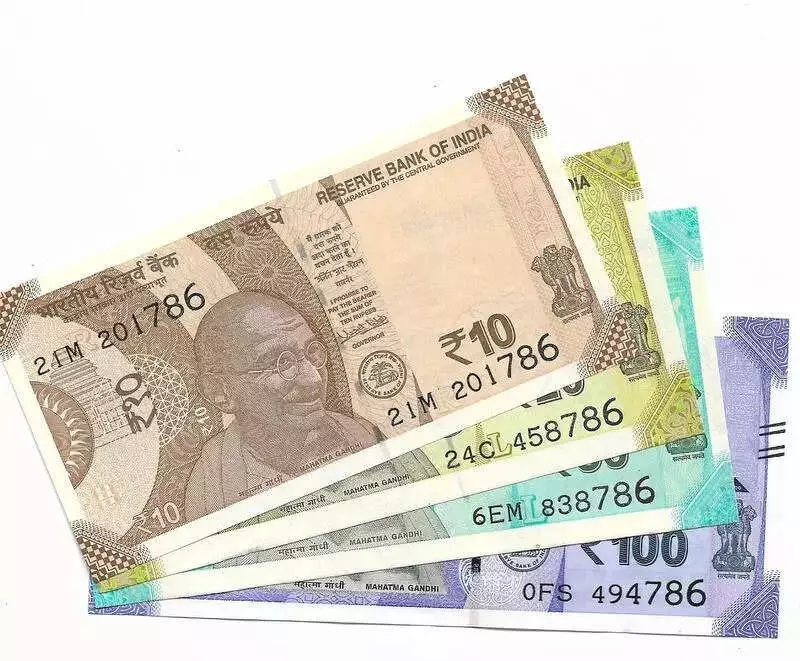
The All India Reserve Bank of India Employees Association (AIRBEA) has formally alerted the central bank's top management about a persistent shortage of small currency notes in the market, particularly affecting India's rural and semi-urban heartlands.
Formal Complaint to RBI Deputy Governor
In a letter addressed to a deputy governor of the Reserve Bank of India, the employees' union highlighted a critical gap in the availability of lower-value currency. The association has shared this communication with the media, bringing the issue into the public domain. While digital payments have streamlined many transactions, the letter stresses that physical cash, especially in smaller denominations, remains indispensable for a vast segment of the population.
Big Notes Available, Small Notes Scarce
The AIRBEA pointed out a clear disparity: there is no shortage of higher denomination notes like Rs 100, Rs 200, and Rs 500. However, notes of Rs 10, Rs 20, and Rs 50 are in short supply. This scarcity is so pronounced that even commercial bank branches are reportedly expressing their inability to dispense these smaller notes to customers.

Bidyut Chakraborty, vice-president of the All India Bank Employees' Association (AIBEA), confirmed to the Times of India that the matter is consistently raised in coordination meetings with the RBI management. He stated that despite possible denials from the management, the union has received concrete feedback from the ground about the shortage disrupting day-to-day dealings. This feedback prompted the formal letter to the deputy governor.
Impact on Daily Life and Proposed Solutions
The letter underscores that these small notes are essential for routine expenses such as paying for auto-rickshaw rides or purchases from local kirana shops. With a population exceeding 140 crore, even a small percentage affected by this cash crunch translates into a massive number of people facing inconvenience.
To address the problem, the AIRBEA has urged the RBI to ensure adequate circulation of small denomination notes and coins. The association has put forward several practical suggestions:
- Making notes and coins available through commercial bank counters, other authorized outlets, and RBI offices.
- Reviving special distribution events like coin melas, which were organized in the past.
- Coordinating with local bodies such as gram panchayats, cooperative banks, regional rural banks, and self-help groups (SHGs) to improve distribution networks at the grassroots level.
The union's appeal highlights a crucial friction point in India's economy, where the rapid growth of digital finance coexists with a deep-seated reliance on physical cash for millions of small transactions every day.






