The Reserve Bank of India (RBI) has revised its inflation projection for the financial year 2026-27 to 5.1 per cent, up from previous estimates, attributing the increase to higher fuel prices that are driving up input costs across the economy. The central bank's updated forecast, released on 5 June 2026, highlights the persistent pressure from global energy markets on domestic price levels.
Core Inflation Remains Subdued
Excluding the volatile precious metals category, core inflation was significantly lower at 2.1 to 2.2 per cent during the same period. This suggests that underlying price pressures, aside from food and fuel, remain contained. The RBI noted that while fuel price hikes have a direct impact on transportation and production costs, other components of the consumer price index (CPI) have shown relative stability.
Impact of Fuel Price Increases
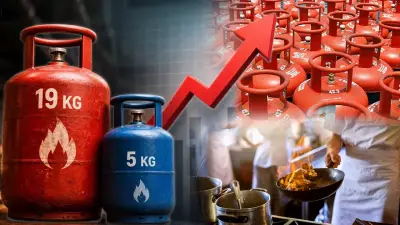
The upward revision in inflation forecast comes amid a sustained rise in global crude oil prices, which has led to higher domestic fuel costs. The RBI highlighted that elevated fuel prices are feeding into input costs for various industries, particularly manufacturing and logistics. This is expected to keep overall inflation above the central bank's comfort zone of 4 per cent for an extended period.

Policy Implications
The revised inflation outlook may influence the RBI's monetary policy stance in the coming months. With inflation projected to remain above the target, the central bank may maintain a cautious approach, potentially keeping interest rates elevated to curb price pressures. However, the moderate core inflation reading provides some room for the RBI to balance growth concerns while managing inflation expectations.
- RBI's FY27 inflation forecast raised to 5.1% from earlier estimates.
- Core inflation (ex-precious metals) stands at 2.1-2.2%.
- Higher fuel prices are a key driver of input cost increases.
- Policy stance likely to remain cautious with potential rate holds.
The central bank also noted that supply-side measures and government interventions could help mitigate some of the inflationary pressures. The RBI continues to monitor the evolving situation and will adjust its policies as necessary to ensure price stability while supporting economic growth.