

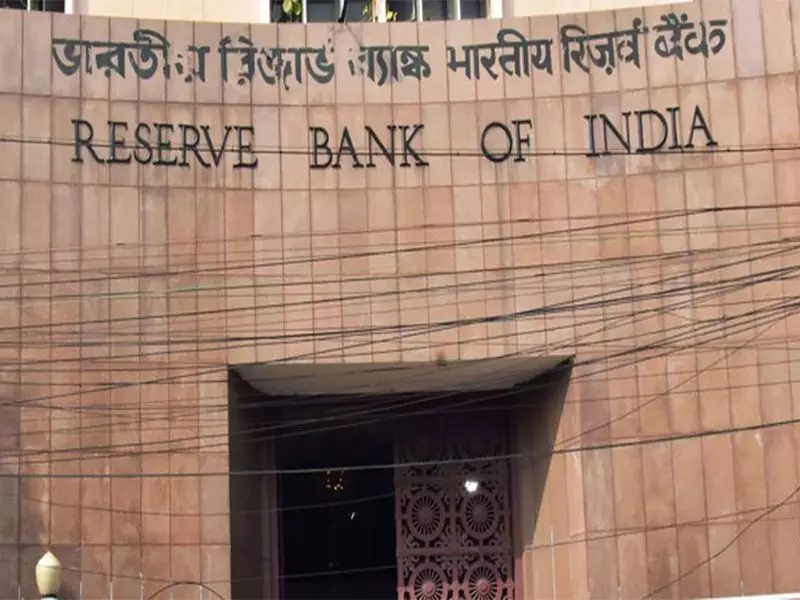
In a significant development for India's financial landscape, the Reserve Bank of India (RBI) is widely anticipated to keep its key policy rate unchanged for the fifth consecutive time. According to a detailed report from Bank of Baroda's Economic Research Department, the central bank's Monetary Policy Committee (MPC) is likely to maintain the repo rate at 5.50 per cent during its upcoming review in December 2023.
Key Factors Influencing the RBI's Decision
The Bank of Baroda report, released recently, outlines several compelling reasons for this expected pause. A primary concern remains the persistent threat of inflation. While there has been some moderation, consumer price index (CPI) inflation continues to hover above the RBI's medium-term target of 4 per cent. The report highlights that inflation readings, particularly in food items, have been volatile, creating an uncertain environment that warrants caution from the central bank.
Furthermore, the report points to the robust growth momentum observed in the Indian economy. With economic activity showing strength, the immediate pressure to stimulate growth through rate cuts is diminished. This allows the RBI to maintain its focus on anchoring inflation expectations. The central bank has previously emphasized the need to bring inflation down to its target on a durable basis, and the current economic conditions support a continued withdrawal of accommodation stance.

Global and Domestic Economic Context
The analysis also considers the complex global backdrop. Although global financial conditions have tightened, with major central banks like the US Federal Reserve maintaining a hawkish posture, the RBI has managed relative stability in the domestic currency and financial markets. The report suggests that the RBI will likely prioritize domestic macroeconomic stability over reacting to external moves at this juncture.
Bank of Baroda's economists also note the transmission of the past rate hikes is still working its way through the economy. The cumulative increase of 250 basis points since May 2022 is expected to continue impacting demand and pricing, giving the MPC room to assess the full effects before considering any change in direction.
Implications for Borrowers and the Economy
For borrowers, especially those with loans linked to external benchmarks, a status quo in the repo rate means that equated monthly instalments (EMIs) for home, vehicle, and personal loans are likely to remain stable in the near term. This provides a degree of predictability for household budgets.
For the broader economy, a prolonged pause signals the RBI's commitment to price stability, which is crucial for sustaining long-term growth. It indicates that the central bank is vigilant against any resurgence of inflationary pressures, particularly from food and fuel prices. The market will keenly watch the RBI's commentary on growth projections, liquidity management, and its outlook for inflation in the coming quarters.
In conclusion, the Bank of Baroda report firmly predicts a continuation of the current monetary policy stance. The RBI's December policy decision, scheduled for early December 2023, is thus poised to be a non-event in terms of rate action, but its statements will be scrutinized for clues about the future path of interest rates in 2024.






