

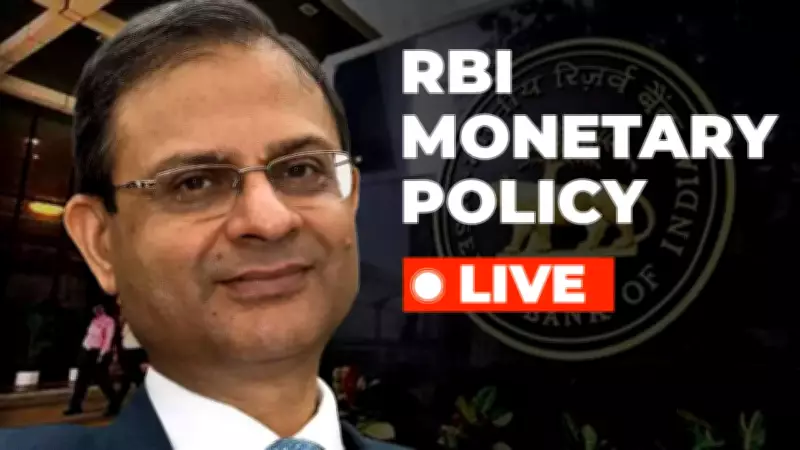
RBI MPC Meeting 2026: A Cautious Stance on Monetary Policy
The Reserve Bank of India's Monetary Policy Committee (MPC) is currently convening for its first review of the calendar year 2026, with the policy decision scheduled for announcement on Friday, February 6. Under the leadership of Governor Sanjay Malhotra, the central bank is widely anticipated to maintain the repo rate at 5.25%, continuing a period of stability after a cumulative reduction of 125 basis points in the ongoing easing cycle. This move aims to support economic growth while navigating a complex global landscape.
Economic Backdrop: Inflation and Growth Dynamics
Recent data indicates a favorable economic environment, with the Consumer Price Index (CPI) inflation reaching its lowest level in the current data series as of October 2025. Concurrently, India's GDP growth has surpassed expectations, positioning the country to achieve over 7% growth in the fiscal year and retain its status as the world's fastest-growing major economy. The RBI's policy statement will be closely monitored for updated forecasts on inflation and GDP, providing insights into the central bank's assessment of domestic economic resilience.
Global Uncertainties and External Risks
An SBI report highlights persistent uncertainties in the global economic environment, warning that elevated stress indices could translate into economic strain within three to four months. Factors such as rebounding metal prices and potential interest rate cuts by the US Federal Reserve add layers of complexity to inflation and growth outlooks. These external risks are likely to influence the RBI's cautious approach, as fluctuations in the Indian rupee—which has moved between 89 and 92 against the US dollar—and pressures on government bond yields underscore the need for vigilance.

Impact of Trade Agreements and Policy Focus
The conclusion of trade deals with the United States and the European Union, which reduced tariffs on Indian products from 50% to 18%, is expected to enhance export competitiveness and strengthen trade prospects. However, this positive development is balanced by challenges in monetary policy transmission, as noted in the SBI report, which suggests that the selection of securities in Open Market Operations could weaken the effectiveness of liquidity measures. Consequently, the RBI is projected to shift focus toward liquidity management and yield-curve stability, particularly in light of the government's substantial borrowing program.
Expert Insights and Future Outlook
Economists, including Sujan Hajra of Anand Rathi Group, emphasize that the monetary policy calculus remains finely balanced. With retail inflation showing a calibrated uptick and GDP growth expected to moderate modestly, the MPC is likely to adopt a wait-and-watch mode. The RBI's mandate to maintain inflation within a 2-6% range while supporting growth further constrains room for additional rate cuts. Looking ahead, the central bank's actions will be pivotal in managing foreign exchange reserves and addressing potential rupee depreciation, with the next MPC meeting scheduled for April 2026 at the start of the new financial year.






