

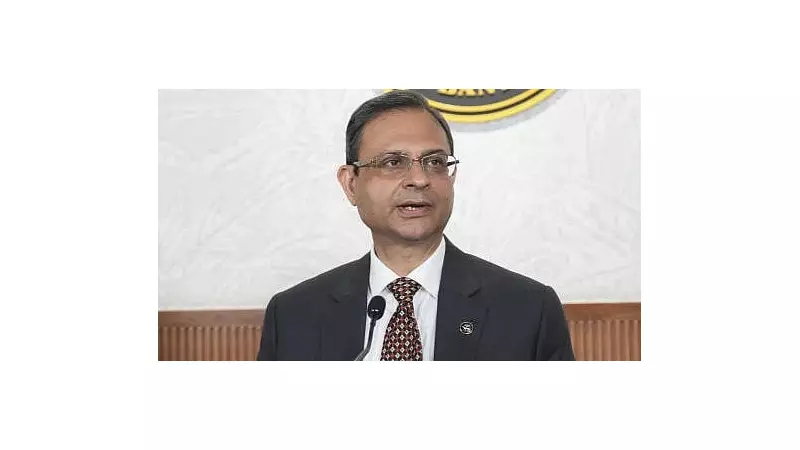
In a significant move for the Indian economy, the Reserve Bank of India's Monetary Policy Committee (MPC) announced a cut in the key repo rate by 25 basis points on December 5, 2025. This decision, which was unanimous, paves the way for cheaper home loans and other borrowings for consumers and businesses.
Key Decisions and Economic Stance
The MPC, led by Governor Sanjay Malhotra, decided to reduce the repo rate to provide further support to economic growth. The committee chose to continue with its neutral monetary policy stance, indicating a balanced approach towards managing inflation and fostering expansion. Governor Malhotra expressed satisfaction with the economic trajectory over the past year, highlighting the economy's remarkable resilience.
On the growth front, the RBI projected real GDP growth for the current year at 7.3%. This optimistic forecast is backed by strong performance, including a six-quarter high growth of 8.2% registered in the second quarter (Q2). The Indian economy is poised for a phase of sustained high growth, according to the central bank's assessment.

Inflation Eases, External Sector Shows Strength
A major factor enabling the rate cut is the significant easing of inflationary pressures. The RBI noted that headline inflation has softened considerably and is likely to be lower than previous estimates. Consequently, the inflation projection for the current financial year has been revised downwards to 2 per cent. Both headline and core inflation forecasts have been lowered.
The external sector remains a pillar of strength. Gross Foreign Direct Investment (FDI) grew at a robust pace during the first half of the fiscal year. While merchandise exports contracted in October alongside rising imports, services exports are expected to stay strong. Despite net outflows of 0.7 billion US dollars from Foreign Portfolio Investments (FPI) so far, India's overall external position is deemed resilient.
Implications for Borrowers and Markets
The most direct impact of the 25 basis point repo rate cut will be felt by borrowers. Home loans are set to become cheaper as banks are expected to transmit the rate cut to their lending rates, reducing Equated Monthly Installments (EMIs) for existing and new borrowers. This move aims to boost sentiment in the real estate and consumer durable sectors.
To manage liquidity and ensure orderly market conditions, the RBI will conduct Open Market Operation (OMO) purchases of government securities. This action is designed to inject durable liquidity into the banking system, supporting the government's borrowing program and keeping yields in check.
The unanimous decision by the MPC on December 5, 2025, reflects a coordinated effort to nurture growth while anchoring inflation expectations. With softer inflation projections and strong GDP growth estimates, the policy environment is turning favourable for investment and consumption-led expansion in the Indian economy.






