

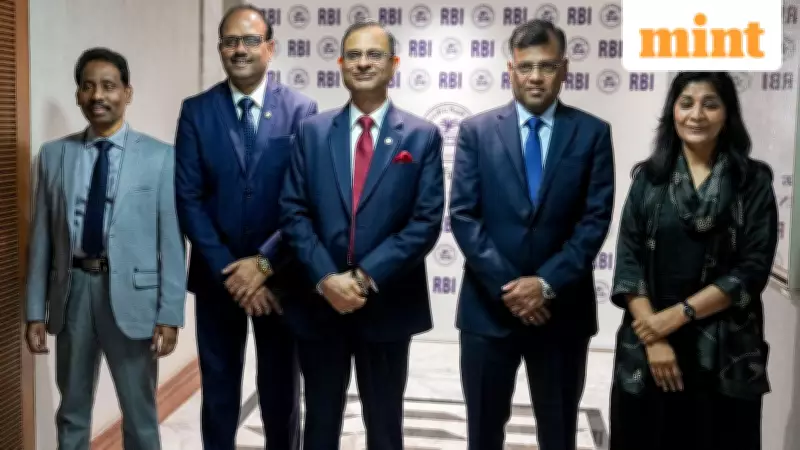
RBI Maintains Status Quo on Rates and Stance in Pragmatic Policy Decision
The Reserve Bank of India's Monetary Policy Committee has unanimously decided to keep the repo rate unchanged at 5.25% and maintain a neutral monetary policy stance. This decision, announced by Governor Sanjay Malhotra in one of the shortest policy announcements on record, reflects a cautious approach amid impending revisions to key macroeconomic data.
Data Dependence Drives Conservative Approach
With significant revisions to both GDP and consumer price inflation data forthcoming, the MPC opted for stability over action. The GDP base year is set to shift from 2011-12 to 2022-23, while inflation calculations will move from a 2011-12 base to 2024. Governor Malhotra referenced these impending changes multiple times during his announcement, emphasizing the committee's data-dependent philosophy.
The central bank has deferred full-year projections until the April policy meeting, when the new GDP series will be available. This prudent hesitation comes despite upward revisions to growth estimates for the first two quarters of 2026-27 and manageable inflation expectations within the Flexible Inflation Targeting framework.

Liquidity Management: A Delicate Balancing Act
While the rate decision appears sound, questions emerge about RBI's aggressive liquidity management strategy. The policy statement commits to "proactive liquidity management" to ensure sufficient banking system liquidity for economic needs and policy transmission. However, this approach carries significant risks.
The central bank has injected substantial liquidity throughout 2025-26, with measures intensifying in December and January. According to the Economic Survey, average surplus liquidity reached staggering levels—117 times higher than the previous year. This persistent intervention addresses symptoms of tight liquidity rather than underlying causes like slower deposit growth and constrained credit creation.
Potential Risks of Excessive Intervention
RBI's role as both monetary authority and government debt manager creates inherent tensions. With government borrowing plans increasing by 16% for 2026-27, the central bank faces pressure to ensure smooth, low-cost borrowing. However, constantly providing liquidity at the first sign of tightness—rather than allowing interest rates to adjust naturally—could lead to economic overheating and inflationary pressures.
Governor Malhotra's verbal slip during the press conference revealed this tension: initially describing RBI's duty as providing "ample liquidity" before correcting to "sufficient liquidity." This distinction matters profoundly. Central banks traditionally act as lenders of last resort during crises, not lenders of first resort for routine liquidity mismatches.
Historical Context and Future Implications
The current policy continues a trend begun under Governor Malhotra's leadership. Exactly one year prior, on February 7, 2025, he presided over his maiden policy that cut rates by 25 basis points after a prolonged pause. Since then, RBI has reduced the repo rate by 125 basis points, cut the cash reserve ratio by one percentage point, and injected massive liquidity.
While India's growth remains in what the governor describes as a "sweet spot," the combination of substantial past stimulus and continued aggressive liquidity support raises concerns. The economy shows improved growth impulses, but sustained liquidity shortages indicate deeper structural issues that monetary intervention alone cannot solve.
The MPC's wait-and-watch approach on rates makes sense given data uncertainties, but its liquidity strategy warrants careful monitoring. By consistently preventing interest rates from rising naturally in response to liquidity tightness, RBI risks distorting market signals and potentially fueling future inflation. The delicate balance between supporting growth and maintaining price stability grows increasingly complex as the central bank navigates multiple roles and responsibilities.






