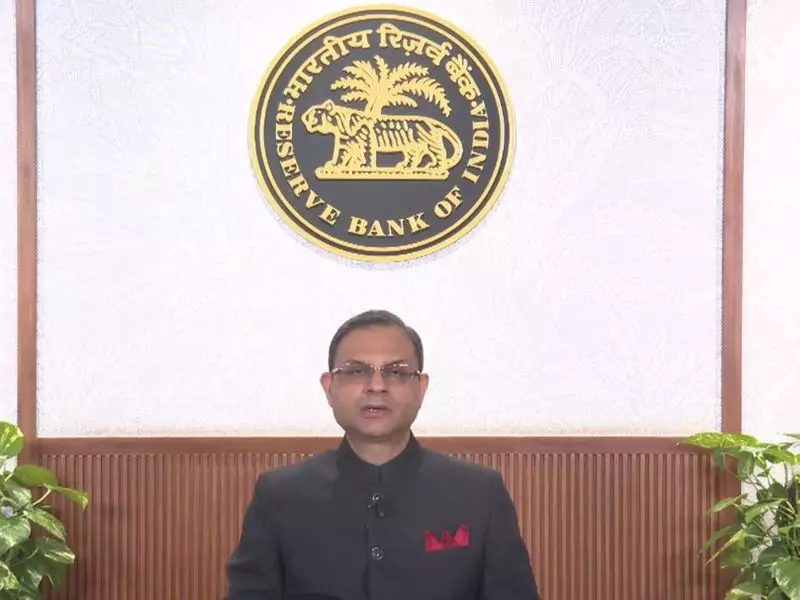
In a move widely anticipated by financial markets, the Reserve Bank of India (RBI) has announced a reduction in its key policy rate, providing a boost to the economy. The central bank's Monetary Policy Committee (MPC), led by Governor Shaktikanta Das, decided to lower the repo rate by 25 basis points, bringing it down to 5.25 percent.
The Rationale Behind the Rate Cut Decision
The decision, announced on June 7, 2024, was driven by a favourable alignment of economic indicators. Governor Das highlighted the twin pillars of robust GDP growth and record-low inflation as the primary reasons for the accommodative stance. The Indian economy has demonstrated remarkable resilience, with growth projections remaining strong, giving the MPC the confidence to support further expansion through cheaper credit.
Furthermore, the committee has chosen to maintain its accommodative policy stance, signaling that the central bank remains focused on fostering economic growth while ensuring price stability. This marks a continuation of the RBI's supportive approach towards the nation's post-pandemic recovery and sustained development trajectory.

Revised Economic Projections and Forecasts
Alongside the rate announcement, the RBI released its updated forecasts for key economic parameters. The central bank has retained its optimistic GDP growth projection for the fiscal year 2024-25 at 7.2 percent. This indicates a strong belief in the underlying fundamentals of the Indian economy despite global headwinds.
On the inflation front, the outlook remains benign. The RBI has lowered its inflation forecast for the current fiscal year to 4.5 percent, down from the previous estimate. This revision is significant as it reflects well-anchored inflation expectations, largely due to manageable food prices and effective monetary policy transmission. The decision was not unanimous, with the MPC vote standing at 4 to 2 in favour of the rate reduction.
Implications for Borrowers and the Financial System
The immediate effect of this repo rate cut is expected to filter through the banking system, potentially leading to lower interest rates on loans for consumers and businesses. This can stimulate investment in:
- Housing and real estate through cheaper home loans.
- Capital expenditure by industries seeking to expand capacity.
- Personal consumption via reduced costs on vehicle and consumer durable loans.
For the government, a lower interest rate environment aids in managing its borrowing costs, creating more fiscal space. The RBI's decision underscores its proactive role in navigating the economy towards a path of stable, high growth while vigilantly monitoring inflationary trends. Market participants and economists will now watch closely for signals on the future trajectory of monetary policy as global economic conditions evolve.