

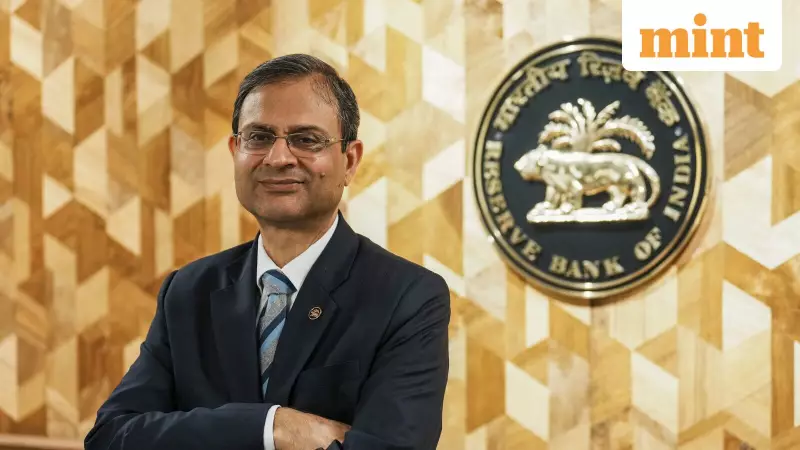
In a move that caught many economists off guard, the Reserve Bank of India (RBI) has reduced the repo rate by 25 basis points, bringing it down to 5.25%. This decision comes despite widespread market anticipation of a pause, driven primarily by a record-low retail inflation figure of 0.25% recorded in October. The central bank has maintained its "neutral" monetary policy stance, indicating it is keeping future options open.
A Surprise Cut Against a Strong Growth Backdrop
What makes this rate reduction particularly unexpected is the context of robust economic growth. India's gross domestic product (GDP) numbers for the July-September quarter surpassed expectations, a condition that typically leads central banks to hold off on easing monetary policy. However, RBI Governor Sanjay Malhotra provided clarity, noting that while growth remains solid, it might moderate slightly in the coming periods. Demonstrating confidence in the economy's fundamental strength, the RBI has revised its GDP growth forecast upward to 7.3% for the current fiscal year.
The central bank's decision appears to be fueled by a significantly improved growth-inflation dynamic. The balance is now more favourable than it has been for several years, with food prices exhibiting unusual stability. This benign inflation environment has provided the RBI with the necessary room to lower borrowing costs and support economic activity.

Inflation Forecast Slashed, Door Left Open for More
In a significant revision, the RBI has lowered its inflation forecast for the upcoming year to just 2%. This figure sits comfortably within the central bank's target range of 2-6% and marks a sharp decline from earlier projections. The downward adjustment is attributed to several factors, including the pass-through effects of the Goods and Services Tax (GST), softer food prices, and favourable base effects.
This rate cut follows a cumulative 100 basis points of reductions earlier in the year and a prolonged pause since August. The latest action signals that the RBI believes macroeconomic data finally justifies further monetary loosening. The critical question now is whether this marks the beginning of a new rate-cut cycle. The central bank has made no explicit promises, but its neutral stance and the current data landscape leave the door wide open for additional policy easing in the future, should conditions remain favourable.
Other Key Stories from the Week
The newsletter also highlighted several other major developments in business and economy:
Rupee's Weakness: The Indian rupee's depreciation beyond 90 against the US dollar presents a mixed bag. While IT companies benefit from improved margins, exporters in sectors like apparel, electronics, and pharmaceuticals are struggling. Soaring import costs and the impact of high US tariffs are negating any advantage from a weaker currency.
IIT Placements: The battle for talent at IITs is intensifying, with companies offering hefty joining bonuses, stock options, and even implementing clawback clauses. However, industry insiders suggest that retention will depend less on monetary perks and more on providing meaningful work, global exposure, and exciting roles.
Sanchar Saathi Rollback: The government has reversed its decision to make the Sanchar Saathi app mandatory on all mobile devices following public and industry pushback. While intended to combat digital fraud, privacy experts raised concerns over the permissions it required, leading to its revised voluntary status.
IndiGo's Pilot Rule Woes: IndiGo, India's largest airline, is facing significant operational disruptions, including hundreds of flight cancellations, as it adapts to new flight duty time limitations for pilots. The rules demand more pilots and stricter rest periods, impacting the airline's extensive network.
UPI's Dominance: The Unified Payments Interface (UPI) processed a staggering 636 million transactions per day in November, cementing its role in daily Indian life. Interestingly, the average transaction value has shrunk to around ₹1,300, indicating its deep penetration into small-ticket, everyday spending.

Adani's Rights Issue: Adani Enterprises' massive ₹24,930 crore rights issue has revived interest in this fundraising method. A successful subscription could make 2025-26 a landmark year for rights issues, with mid-sized companies increasingly participating.
Rural Demand Concerns: A sharp, broad-based decline in crop prices is threatening to halt the recovery in rural demand. Farmers are seeing incomes erode as prices for staples like potatoes, onions, and pulses fall below government support levels, forcing households to postpone major purchases.
Meesho's Logistics Edge: Meesho's in-house logistics platform, Valmo, is a key differentiator, coordinating thousands of small couriers to serve tier-2 and tier-3 towns efficiently. This capability is central to its economics as it prepares for a public listing.
Ola Electric's Accounting: Ola Electric's latest financial results have drawn investor scrutiny after it classified about 12% of its total costs as "unallocated." This accounting treatment helped its two-wheeler segment show a small profit, even as the company posted a consolidated loss.
Mutual Fund Distributor Squeeze: India's mutual fund boom has not translated to prosperity for distributors. Lower commissions, regulatory cuts to expense ratios, and the rise of direct investing via fintech apps are severely squeezing their incomes, forcing many to reconsider their business viability.





