

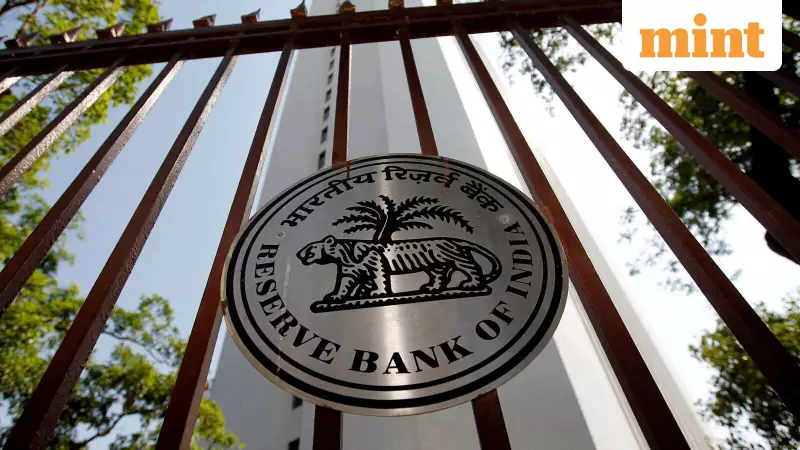
Political Pressure on Central Banks Puts RBI's Autonomy in Focus
The recent public tensions between US President Donald Trump and Federal Reserve Chair Jerome Powell have reignited global discussions about central bank independence. This debate raises fundamental questions about whether elected leaders should influence how central banks determine interest rates. Similar conflicts have emerged worldwide, including a notable 2018 confrontation between India's Reserve Bank and the finance ministry.
Economists widely agree that independent central banks play a crucial role in maintaining macroeconomic stability. To assess this independence across different countries, researchers have developed specific indices that measure various parameters of central bank autonomy.
How RBI Measures Up on Global Independence Scales
A recent independence index assigns the Reserve Bank of India a score of 0.59 out of 1, indicating moderate autonomy. This evaluation considers multiple factors including appointment procedures, monetary policy formulation, conflict resolution mechanisms, and financial independence.

The RBI demonstrates particular strength in several key areas. It has established a clear inflation-targeting mandate, maintains an independent budget, and follows robust reporting and disclosure standards. These elements contribute significantly to its operational effectiveness.
Structural Constraints Limiting RBI's Full Autonomy
Despite these strengths, the central bank faces notable limitations stemming from its governance structure. These constraints fall into three primary categories.
- Government-Appointed Leadership: All six members of the Monetary Policy Committee receive their appointments from the government. This includes three external members and three RBI representatives. The RBI governor, who also holds government appointment, possesses the casting vote during tie situations.
- Final Government Authority: In cases of policy disagreement, the government retains ultimate decision-making power. This arrangement reflects a perceived lack of independence in monetary policy formulation.
- Financial Transfer Requirements: According to the RBI Act, the central bank must transfer its surplus to the government after covering expenses and provisions. This requirement represents a limitation on financial independence.
Strong Performance Despite Structural Limitations
The RBI has delivered impressive results within its existing framework. Between August 2016 and June 2025, inflation exceeded the official upper tolerance limit of 6% in only 28 out of 107 months. Inflation volatility has decreased substantially since adopting flexible inflation targeting.
Even during the economic turbulence of recent years, including pandemic-era policy shifts, inflation fluctuations remained lower than pre-inflation targeting periods. The central bank has successfully built credibility as a guardian of price stability through consistent emphasis on its 4% inflation target.
The Independence Debate in India's Context
Research indicates that greater central bank independence typically correlates with lower inflation and more effective monetary policy, particularly in developing economies. However, India presents two distinctive factors that moderate potential conflicts.
First, inflation represents both a monetary concern and political priority in India. Governments recognize that elections can hinge on commodity prices, making them sensitive to inflation control. This reduces pressure for premature rate cuts during disinflation periods.
Second, the current government's commitment to fiscal discipline decreases the likelihood of demands for artificially low interest rates to reduce debt servicing costs. Fiscal prudence allows monetary policy to focus on its primary objectives without supporting budget deficits.
Beyond Independence: The Importance of Policy Coordination
Complete independence does not guarantee effective policy outcomes. The US Federal Reserve enjoys full monetary policy autonomy yet faces consistent criticism from presidential administrations. Turkey's central bank scores 0.8 on independence indices but has experienced significant political interference leading to high inflation.

The essential lesson emphasizes that independence represents a necessary but insufficient condition for success. What truly matters is effective coordination between fiscal and monetary policies. Price stability emerges most reliably when governments and central banks function as collaborative partners rather than adversaries in economic management.





