

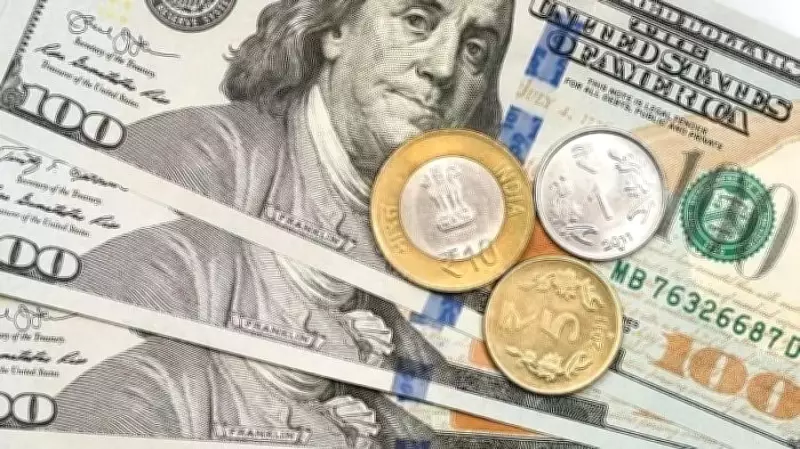
Indian Rupee Slips 10 Paise to End at 93.00 Against US Dollar
The Indian rupee experienced a slight depreciation on Friday, closing at 93.00 against the US dollar, marking a decline of 10 paise from its previous session. This movement reflects ongoing volatility in the global forex markets and domestic economic conditions.
Key Factors Influencing the Rupee's Performance
Several elements contributed to the rupee's fall. Global market trends, including fluctuations in the US dollar index and international crude oil prices, played a significant role. Additionally, domestic factors such as inflation concerns and trade balance data impacted investor sentiment.
The rupee opened weaker and traded in a narrow range throughout the day, with intermittent bouts of buying and selling pressure. Analysts noted that the currency's movement was largely in line with broader Asian currencies, which also faced headwinds due to geopolitical tensions and monetary policy expectations from major central banks.

Market Reactions and Expert Insights
Forex traders reported cautious trading activity, with many adopting a wait-and-see approach ahead of key economic data releases. Financial experts highlighted that the rupee's decline, though modest, underscores the challenges faced by emerging market currencies in a strengthening dollar environment.
According to market observers, the following points are crucial:
- Increased demand for the US dollar from importers and corporates.
- Foreign institutional investor (FII) flows impacting currency liquidity.
- Reserve Bank of India (RBI) interventions to manage excessive volatility.
Broader Economic Context and Future Outlook
The rupee's performance is closely watched as an indicator of India's economic health. A weaker rupee can affect various sectors, including:
- Imports and Exports: Higher import costs but potential benefits for exporters.
- Inflation: Possible upward pressure on prices due to costlier imports.
- Foreign Investment: Impact on attractiveness for overseas investors.
Looking ahead, analysts predict that the rupee may continue to face pressure in the near term, driven by global monetary policy shifts and domestic economic indicators. However, robust foreign exchange reserves and proactive measures by the RBI could provide stability. Market participants are advised to monitor upcoming data on GDP growth, inflation rates, and global trade developments for further cues on currency trends.






