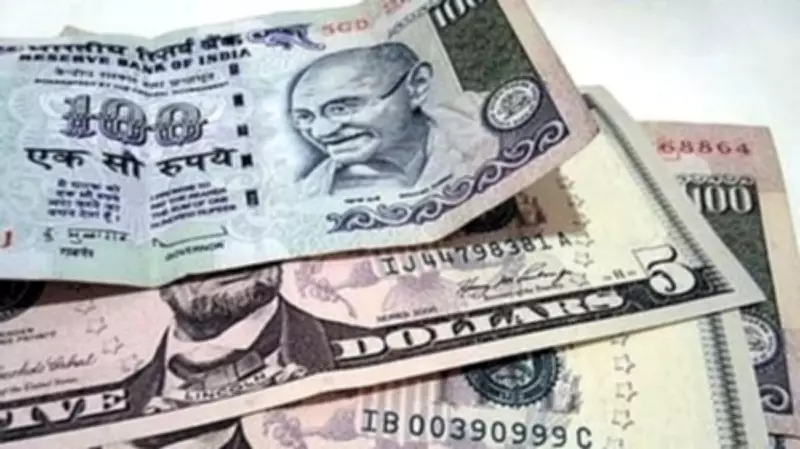
The Indian rupee staged a strong recovery in early trade on Tuesday, climbing 41 paise from its all-time closing low to trade at 96.45 against the US dollar. The rebound was driven by positive domestic equity markets and a weak greenback in the overseas market.
Rupee recovers from record low
The domestic currency opened at 96.50 per dollar and touched a high of 96.45, gaining 41 paise from its previous close of 96.86. On Monday, the rupee had plunged to an all-time closing low of 96.86 against the US dollar, amid persistent foreign fund outflows and concerns over the widening trade deficit.
Factors supporting the rupee
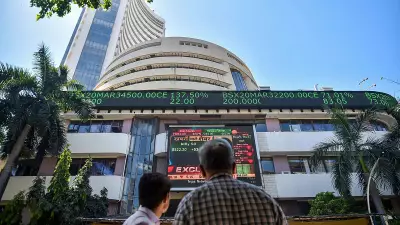
Forex traders attributed the recovery to a weak US dollar index, which slipped against major currencies, and a sharp uptick in domestic equity benchmarks. The BSE Sensex surged over 500 points in early trade, while the NSE Nifty50 gained around 150 points, boosting investor sentiment.

Additionally, the Reserve Bank of India's (RBI) intervention in the forex market through dollar sales also helped stem the rupee's fall. The central bank has been actively managing the currency's volatility to prevent sharp depreciation.
Outlook for the rupee
Analysts remain cautious, stating that the rupee may continue to face headwinds from global factors such as the US Federal Reserve's aggressive rate hike stance and rising crude oil prices. India's trade deficit widened to a record high of $31.02 billion in October, putting additional pressure on the currency.
Market participants will closely watch the US inflation data due later this week, which could influence the Fed's policy path and impact the rupee's trajectory. Meanwhile, the RBI's monetary policy stance and its ability to manage forex reserves will be key in determining the currency's stability.
Global cues and crude oil impact
The US dollar index, which measures the greenback against a basket of six major currencies, fell 0.2% to 104.5, providing some relief to emerging market currencies. However, Brent crude oil prices remained elevated near $80 per barrel, keeping the trade deficit concerns alive.
Foreign institutional investors (FIIs) have been net sellers in Indian equities, pulling out over $2 billion in November so far, which has weighed on the rupee. The recovery in early trade suggests that the rupee may find support at lower levels, but sustained gains will depend on a reversal in FII flows and a moderation in global commodity prices.