

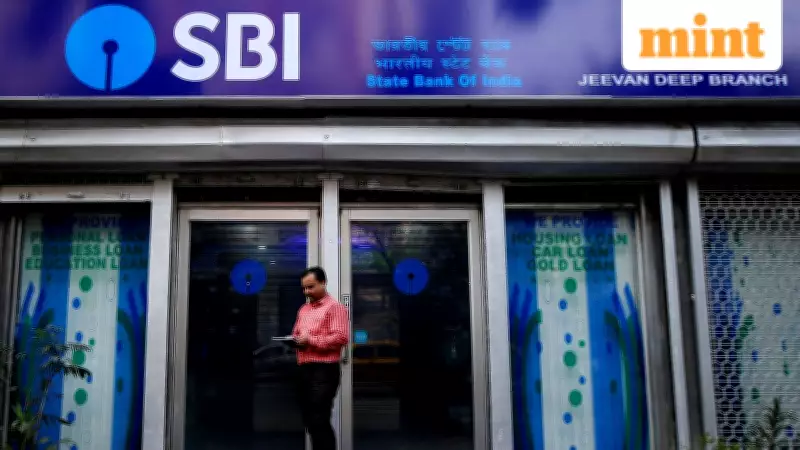
SBI's Strong Q3 Performance: A Closer Look at the Numbers
State Bank of India's December quarter results for FY26 arrived with robust figures, showcasing a significant profit increase amid a volatile market environment. The bank's stock had faced pressure following the Union Budget, with bond yields rising and liquidity tightening, but it has since recovered, reaching a new 52-week high of ₹1,143.
Profit and Growth Highlights
Profit after tax surged by 24.5% year-on-year to ₹21,030 crore in Q3. This growth was primarily fueled by a sharp rise in other income. Loan growth impressed at 15.6%, leading management to upgrade the full-year credit growth guidance to 13-15% from the previous 12-14%. Net interest margin remained stable, increasing slightly by 2 basis points sequentially to 2.99%.
Credit expansion was broad-based, with strong performance in small and medium enterprises, corporate, and agriculture segments. Retail growth stayed healthy, though there was a notable shift toward gold loans, which saw over 90% year-on-year growth, partly at the expense of unsecured personal loans. This move, while dampening yields, is viewed positively from a risk management perspective.

Asset Quality and Buffers
Asset quality continued to improve, with gross non-performing assets falling 16 basis points sequentially to 1.6%, and net NPA declining 3 basis points to 0.4%. SBI maintains substantial non-NPA buffers, including provisions from the covid era, providing a cushion against future shocks or regulatory changes like expected credit-loss norms.
The Nuance in Earnings Quality
However, a deeper analysis reveals that a meaningful portion of the profit boost came from non-core sources. Specifically, a special dividend of ₹2,200 crore from SBI Mutual Fund and ₹770 crore in interest on income-tax refunds contributed significantly. Adjusted for these items, core net interest margin was actually 1 basis point lower sequentially.
This detail is crucial because future margin expansion may prove challenging. Deposit repricing is largely complete, with about 75-80% of term deposits already adjusted. The remaining impact is expected in Q4, but potential policy rate cuts could offset gains. Once monetary easing effects are fully absorbed, net interest margin is not projected to rise substantially above 3%.
Challenges and Opportunities Ahead
Deposit growth at 9% lagged behind credit growth, and the domestic CASA ratio declined by 49 basis points sequentially. Factors such as faster growth in lower-yielding segments, competitive deposit markets, higher gratuity provisions, and bond yield increases could further test profitability.
Despite these headwinds, SBI's opportunity set remains clear. The bank has a ₹7.9 trillion corporate loan pipeline in infrastructure, power, and renewables, offering visibility on future growth. Few banks possess the balance-sheet strength to capitalize on India's capex cycle at this scale.
It is important to note that while asset-quality metrics appear strong today, credit cycles can shift unexpectedly. Credit costs have increased by 31 basis points from a year ago. The stock is currently trading at 1.8 times its FY27 book value estimates, which some analysts find demanding given the bank's long-term return on assets guidance of just 1%.
In summary, SBI's Q3 results demonstrate solid performance, but investors should consider the mixed quality of earnings and the challenges ahead in sustaining margin growth and profitability.






