

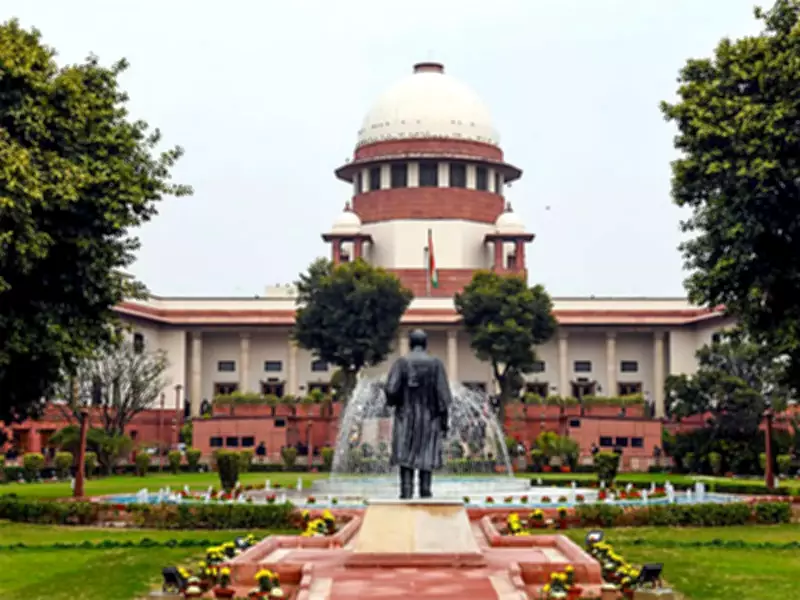
Supreme Court Issues Landmark Ruling on Bank Fraud Classification Process
In a significant decision on Tuesday, the Supreme Court of India clarified the procedural requirements for banks when declaring customer accounts as fraudulent. The apex court explicitly stated that financial institutions are under no obligation to grant a personal oral hearing to customers prior to such classification. However, the ruling mandates that banks must provide customers with a forensic audit report before labeling their accounts as fraud, ensuring a degree of transparency in the process.
Background and Submissions from RBI and SBI
The court's judgment follows submissions made earlier this year by key banking authorities, including the Reserve Bank of India (RBI) and the State Bank of India (SBI). These institutions argued that conducting personal hearings in every suspected fraud case would be impractical due to the sheer scale of fraudulent activities within the banking system. Solicitor General Tushar Mehta, representing SBI, emphasized to the court that the volume of fraud cases has escalated dramatically, making individual hearings logistically challenging and potentially disruptive to the fraud identification and declaration mechanisms.
Rising Fraud Statistics Highlight Systemic Challenges
During the proceedings, the court was presented with alarming data on bank fraud in India. Over the past two financial years, approximately 60,000 instances of bank fraud were recorded, involving a staggering total of Rs 48,244 crore. Breaking down the figures, Mehta detailed that there were 36,060 cases in the 2023–24 financial year and 23,953 cases in 2024–25. Notably, the amount involved in fraud surged to Rs 36,014 crore in 2024–25, reflecting a sharp 194 per cent increase from Rs 12,230 crore in the previous year. This data underscores the pressing need for efficient fraud management protocols in the banking sector.

Judicial Scrutiny and Principles of Natural Justice
A bench comprising Justices J B Pardiwala and K V Viswanathan had previously raised concerns about the absence of personal hearings in the fraud classification process, noting that such hearings are typically associated with the principles of natural justice. In response, Solicitor General Mehta maintained that banks do not offer personal hearings in these scenarios, as it could undermine the effectiveness of the fraud declaration process. He further explained that there might be circumstances where providing such hearings is not feasible, given the operational complexities and the need for swift action to prevent further financial losses.
Implications for Banking and Customer Rights
This ruling balances the operational needs of banks with customer rights by eliminating the requirement for personal hearings while enforcing the provision of forensic audit reports. It aims to streamline the fraud classification process, allowing banks to act more efficiently against fraudulent activities without being bogged down by procedural delays. At the same time, customers retain the right to review the forensic audit, which can serve as a basis for any subsequent legal challenges or appeals. The decision is expected to have far-reaching implications for how banks handle fraud cases, potentially setting a precedent for future regulatory frameworks in India's financial landscape.






