

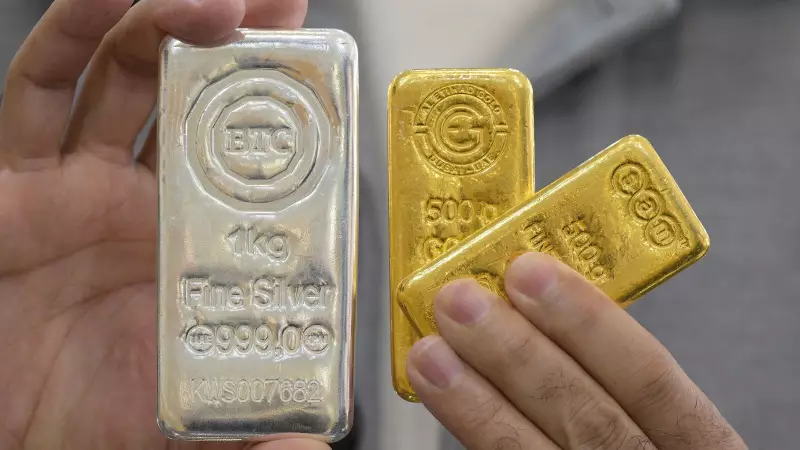
In a remarkable display of market dynamics, silver prices have delivered an extraordinary rally of more than 200% over the past twelve months, dramatically outperforming gold's price rise of 80%. This exceptional performance has positioned silver as one of the strongest-performing assets on the global stage, capturing the attention of investors and analysts alike.
Gold-Silver Ratio Plunges to Historic Lows
This sharp outperformance of silver has led to a significant compression in the gold-silver ratio, which has declined from pandemic-era highs of around 127 to nearly 50 at the start of 2026. According to analysts at Motilal Oswal Financial Services Ltd (MOFSL), this reset in the gold-silver ratio suggests that while the medium- to long-term outlook for precious metals remains constructive, the near-term risk-reward dynamics may now be shifting in favor of gold after silver's outsized rally.
"While we remain positive on both metals and silver continues to have long-term upside backed by industrial demand and tight physical market conditions, the recent rally has also increased near-term volatility," said Navneet Damani, Head of Research Commodities and Manav Modi, Commodities Analyst at Motilal Oswal Financial Services Ltd.

Rebalancing Signals from Historical Ratios
The gold-silver ratio has a long-term average of around 70 and is currently trading near 50, placing it at historically low levels. Such extremes have typically proved unsustainable, with the ratio eventually reverting higher over time. "A move back toward 65–70 would imply relative outperformance of gold, supporting a higher allocation to gold as a risk-managed positioning, not a negative view on silver," the MOFSL report emphasized.
The brokerage clarified that its stance is not a bearish call on silver, but rather a recommendation for portfolio rebalancing after an aggressive price move. The report highlights that silver has become increasingly volatile, with sharper price swings, while gold continues to offer comparatively greater stability—making it a preferred near-term hedge amid uncertain market conditions.
Domestic Market Dynamics and Elevated Levels
MOFSL also pointed out that silver prices have surged sharply in domestic markets, rising from around ₹60,000 to nearly ₹3,20,000. At such elevated levels, a phase of consolidation or rebalancing by market participants becomes more likely. "We are not changing our stance or view on precious metals, just suggesting rebalancing of weightages," MOFSL stated clearly.
ETF Flows Reveal Shifting Investor Preferences
Despite strong price performance, global silver exchange-traded funds (ETFs) have seen outflows of more than 3 million ounces since the start of 2026, indicating some profit-taking and a degree of crowding in the trade. In contrast, gold ETFs have witnessed relatively steadier inflows, reflecting investor preference for more defensive exposure.
Macroeconomic Backdrop Favors Gold
MOFSL added that the broader macroeconomic backdrop is turning supportive for gold, with global liquidity expanding significantly. US M2 money supply is nearing $22 trillion, while China's M2 has crossed ¥340 trillion and is growing at over 8% year-on-year. Historically, such liquidity conditions have strengthened demand for safe-haven assets.
"In such environments, capital typically rotates from riskier assets toward defensive stores of value, favouring gold over silver in the short term," the report explained, highlighting the cyclical nature of investment preferences during periods of monetary expansion.
Silver's Physical Tightness vs. Crowded Trade
The brokerage acknowledged that physical tightness in silver persists, with Shanghai premiums trading $10–11 above COMEX prices and MCX maintaining a premium of over 10%, signalling inventory pressure. However, given the magnitude of the recent rally, MOFSL believes gold currently offers a more balanced entry point for investors seeking stability.

"While silver retains strong long-term upside driven by industrial demand and supply constraints, the near-term risk-reward has become more imbalanced," the report noted. "Gold, with its lower beta and stronger defensive characteristics, appears better positioned to benefit from rising uncertainties and liquidity-driven volatility."
Strategic Portfolio Allocation Recommendations
MOFSL recommends a portfolio allocation of 75% to gold and 25% to silver, favoring gold as a steadier hedge while retaining meaningful exposure to silver's long-term structural upside. The brokerage believes this approach can help investors manage near-term volatility without exiting the precious metals theme entirely.
"Going forward, a rebalanced precious metals strategy—retaining silver as a long-term core holding while increasing gold allocation—can improve portfolio resilience and offer a better risk-adjusted opportunity in the next phase of the cycle," Damani and Modi concluded, providing clear guidance for investors navigating current market conditions.





