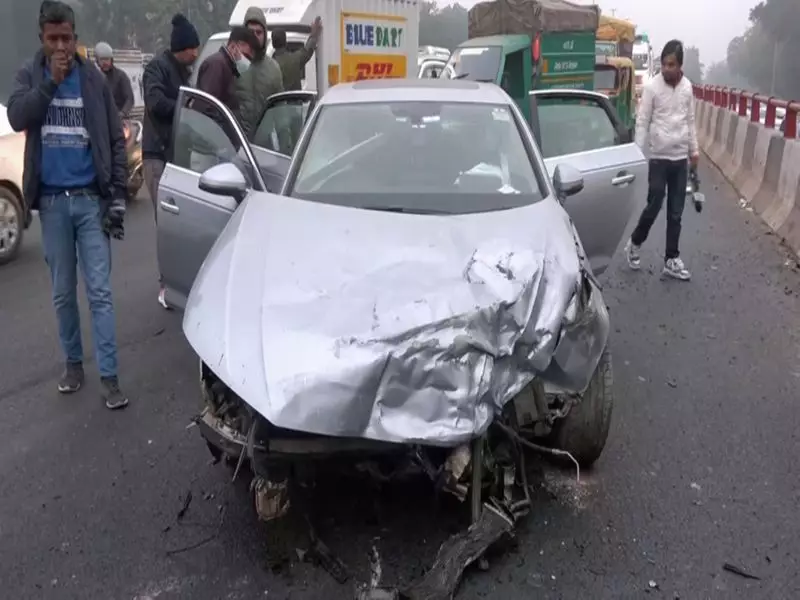
A recent analysis of India's motor insurance sector has uncovered significant trends in vehicle claims, highlighting which segments are most accident-prone and which are the most expensive to fix. The data provides crucial insights for both insurers and vehicle owners.
Small Cars and Mighty SUVs Dominate Claim Charts
The report, compiled by the online insurance aggregator Policybazaar, presents a clear picture of risk on Indian roads. It found that compact cars and sports utility vehicles (SUVs) together are responsible for a staggering 75% of all motor insurance claims. This translates to three out of every four claims being filed for vehicles in these two categories.
This high claim rate is primarily attributed to their massive popularity and sheer numbers on the road. Compact hatchbacks and sedans remain the first choice for millions of Indian families, while SUVs have seen explosive growth in demand over the last decade. More vehicles in a segment naturally lead to a higher absolute number of incidents, influencing overall claim statistics.

Electric Vehicles Emerge as the Costliest to Repair
While they may be greener, electric vehicles (EVs) are proving to be far more challenging for insurers' balance sheets. The analysis identified electric vehicles as the most expensive category to repair following an accident. The high cost stems from their sophisticated technology and specialized parts.
Unlike conventional internal combustion engine (ICE) vehicles, EVs are packed with expensive components like lithium-ion battery packs, electric motors, and complex power electronics. Repairing or replacing these parts requires specialized skills and equipment, driving up the cost substantially. This finding is critical as the EV adoption rate accelerates in India, posing new challenges for the insurance industry in pricing risk accurately.
Implications for Premiums and Consumer Choice
These trends have direct consequences for insurance premiums. The high claim frequency in the compact and SUV segments can exert upward pressure on insurance costs for these popular vehicles. Insurers continuously adjust their risk models based on such data, which can influence the final premium paid by the owner.
For electric vehicles, the sky-high repair costs present a unique dilemma. While EVs generally have fewer moving parts and may be less prone to certain mechanical failures, the severity of claims when accidents do occur is much higher. This paradox means that despite potentially lower accident rates, the insurance premium for an EV might not see a proportional decrease and could remain high to cover the severe cost of repairs. Consumers must factor in these insurance costs when calculating the total cost of ownership for an electric car.
The Policybazaar report serves as a vital data point for the industry. It underscores the need for more granular risk assessment models that go beyond engine capacity or vehicle price. As the automotive landscape in India transforms with the rise of SUVs and the nascent EV wave, the insurance sector must evolve in tandem, developing products and pricing that reflect the true cost of risk for modern vehicles.