

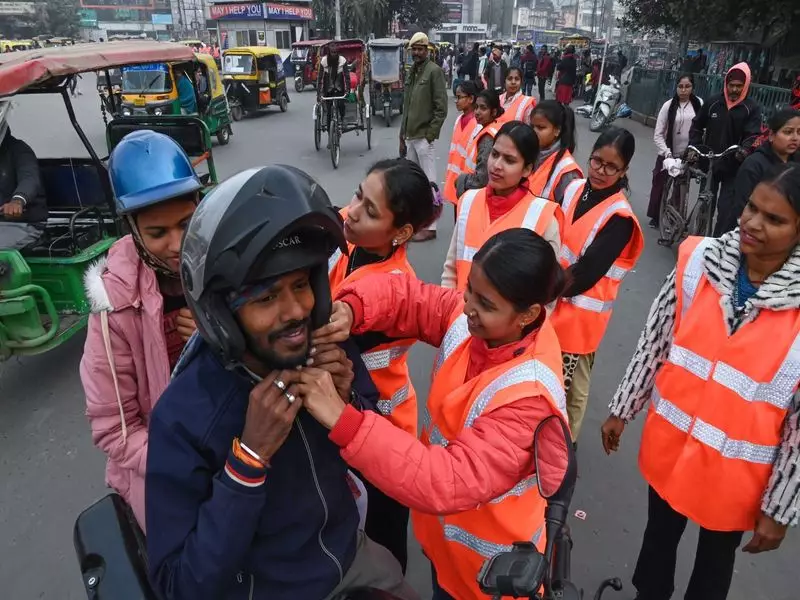
Steelbird MD Advocates for Mandatory Two-Helmet Rule to Enhance Road Safety
The Managing Director of Steelbird, a prominent helmet manufacturer, has made a compelling case for a new safety regulation. He argues that requiring two helmets for all two-wheeler riders could significantly cut down on fatal accidents. According to his analysis, this measure might reduce deaths by as much as 25%. This proposal comes at a critical time when road safety remains a major concern across India.
Potential Impact on Two-Wheeler Fatalities
Two-wheelers, including motorcycles and scooters, are incredibly popular in India. They offer an affordable and convenient mode of transportation for millions. However, they also account for a large share of road accidents and fatalities. The Steelbird MD points out that many of these deaths result from head injuries. Helmets provide crucial protection, but current usage is often inconsistent or inadequate.
By making two helmets mandatory, the rule would ensure that both the rider and any pillion passenger are properly protected. This simple change could have a profound effect. The MD estimates that enforcing this rule nationwide could save thousands of lives each year. His statement is based on data and observations from the industry, highlighting a clear path to improvement.

Industry Insights and Broader Implications
Steelbird, as a key player in the safety gear market, has a vested interest in promoting helmet use. The MD's comments reflect a broader commitment to public health beyond business interests. He emphasizes that this rule would not only reduce fatalities but also lower the severity of injuries in non-fatal accidents. This could ease the burden on healthcare systems and families affected by road crashes.
Implementing such a rule would require cooperation from various stakeholders. Government agencies, law enforcement, and the public all play roles in ensuring compliance. The MD suggests that awareness campaigns and strict penalties could help drive adoption. He believes that with concerted effort, India can make significant strides in road safety.
Looking Ahead: Challenges and Opportunities
While the proposal is promising, it faces potential hurdles. Cost and accessibility might be concerns for some riders, especially in rural areas. The MD acknowledges these challenges but argues that the long-term benefits outweigh the initial costs. He calls for subsidies or incentives to make helmets more affordable for all.
This discussion opens up a larger conversation about road safety policies in India. Other measures, such as better infrastructure and driver education, are also essential. The Steelbird MD's focus on helmets serves as a reminder that simple interventions can yield substantial results. As debates continue, his insights provide valuable guidance for policymakers and the public alike.
In summary, the push for a mandatory two-helmet rule represents a proactive step toward saving lives. With strong leadership and community support, India could see a notable decline in two-wheeler deaths, making roads safer for everyone.






