

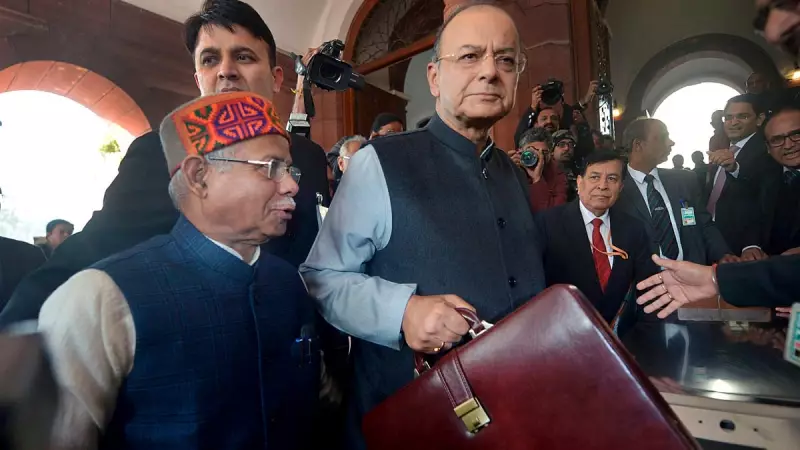
Union Budget 2026 Date Altered: A Detailed Look at the Decision
The government has officially announced a change in the date for presenting the Union Budget 2026. This move has sparked widespread discussion among economists, policymakers, and the general public. Many are curious about the reasons behind this shift and how it might affect the nation's financial planning.
Why the Budget Date Was Changed
Authorities cited several key factors for rescheduling the budget presentation. First, logistical considerations played a significant role. The original date clashed with other major parliamentary sessions, creating scheduling conflicts that could disrupt legislative processes.
Second, economic indicators required more time for accurate assessment. Government officials emphasized the need for thorough data analysis to ensure the budget reflects current fiscal realities. This extra time allows for better alignment with global economic trends and domestic priorities.

Past budgets have occasionally seen date adjustments due to similar reasons, setting a precedent for flexibility in the fiscal calendar.
Impact on Taxpayers and the Economy
The date change has immediate implications. For taxpayers, it means a slight delay in announcements regarding tax slabs, deductions, and other financial policies. Businesses must adjust their planning cycles accordingly.
Economists note that such shifts can affect market sentiment.Investors often anticipate budget announcements, and any alteration in timing can lead to short-term volatility. However, experts argue that a well-prepared budget outweighs the inconvenience of a date change.
The government assures that the new schedule will not compromise the budget's quality or implementation. Officials promise a comprehensive document addressing key areas like infrastructure, healthcare, and education. They highlight that the rescheduling allows for more stakeholder consultations, potentially leading to more inclusive policies.
Looking Ahead
As the new date approaches, all eyes will be on the finance ministry's announcements. The budget is expected to outline strategies for economic growth, job creation, and fiscal stability. Citizens and analysts alike await detailed insights into revenue projections and expenditure plans.
This change underscores the dynamic nature of economic governance. It shows the government's willingness to adapt schedules for optimal outcomes, prioritizing thorough preparation over rigid timelines.






