

UPI Credit Lines Aim for Mass Appeal with Interest-Free Periods
The National Payments Corporation of India is actively working to make UPI-linked credit lines more attractive. They are introducing a key feature borrowed from credit cards: an interest-free period. This move aims to significantly boost adoption among millions of users.
Bridging the Credit Gap for Millions
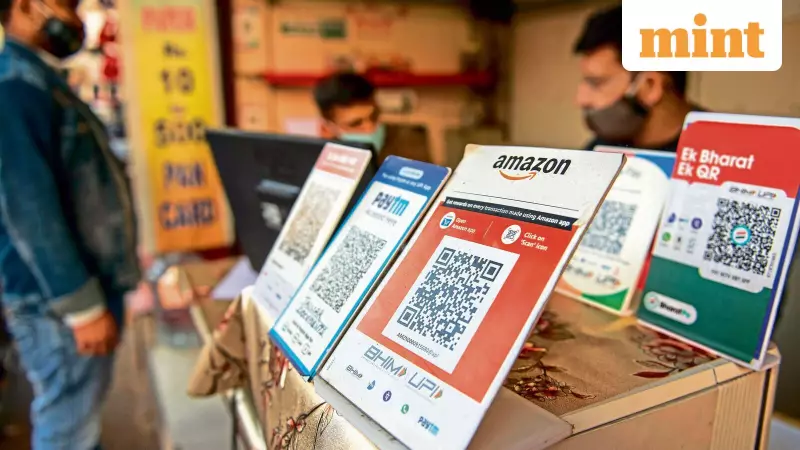
India has a massive population with limited access to formal credit. While about 491 million individuals and 65 million merchants actively use UPI for payments, traditional credit card penetration remains low. Only 114 million cards exist for a population exceeding 1.4 billion.
Regulators see UPI credit lines as a powerful tool to bridge this gap. The product specifically targets self-employed individuals and those without stable incomes. These groups often struggle to qualify for standard credit cards.

The Reserve Bank of India first announced this initiative in April 2023. It was formally launched in September of the same year. The goal is to widen credit access and reduce costs for both lenders and borrowers.
Regulatory Hurdles and New Features
Despite the potential, adoption has been slow. Only a handful of banks currently offer these loans. Two main reasons caused this initial hesitation.
First, there was internal regulatory confusion at the RBI. The payments department launched the product, but the regulation department expressed concerns about insufficient testing. Sources indicate this internal conflict has now been resolved, paving the way for a stronger regulatory push.
Second, the original product lacked a crucial consumer benefit. It did not have an interest-free grace period, a standard feature on credit cards. This meant interest charges started immediately upon using the credit.
This is now changing. Banks are beginning to roll out this feature. Yes Bank, in partnership with BharatPe, launched a credit line with up to 45 interest-free days. Suryoday Small Finance Bank offers a 30-day period with Paytm.
"Once this is introduced, many more will be able to use credit card-like features where the interest rate clock does not start ticking from the moment the credit is used," said a person familiar with the developments.
Bank Caution and Market Realities
Banks are approaching this new product with significant caution. Their experience with similar offerings like Buy-Now-Pay-Later (BNPL) has been mixed. Some institutions faced high delinquency and loss rates on BNPL products.
"Lenders have tightened risk filters for credit cards and now prefer customers with deeper relationships, such as deposits, loans or investments," said Mihir Gandhi of PwC India. He noted banks became wary after "burning their fingers" with BNPL and credit cards during the pandemic.
Ranadurjay Talukdar of EY India acknowledges the potential for serving unbanked markets. However, he points out that adoption faces multiple hurdles. Large banks also worry about these new lines cannibalizing their existing credit card portfolios.
The plan involves offering small credit lines, starting around ₹5,000. This makes it accessible for small-ticket, everyday expenses. Industry estimates from late 2025 suggested only 300,000 to 400,000 customers had used the facility, highlighting the slow start.
Merchant Acceptance and the Road Ahead
For widespread success, the merchant ecosystem needs to fully embrace these payments. A key point of friction is the Merchant Discount Rate (MDR).
Interest-bearing credit lines do not attract MDR. However, lines with an interest-free period do, with a fee of around 1.2%. This cost is borne by the merchant.
"It will take time to gain traction and can only scale once merchants agree to accept these payments," explained a bank executive offering UPI credit lines.
Experts clarify that UPI credit lines are distinct from BNPL. Priyanka Kanwar of Falcon, a fintech firm, notes they are bank-originated, pre-sanctioned lines usable across the entire UPI network, not just with specific merchants. They operate under full regulatory oversight.

The next three months are critical. More banks are expected to introduce interest-free periods. The success of this push depends on clear regulations, bank confidence, and merchant cooperation. The goal is to transform UPI from a pure payments tool into a mainstream credit channel for India.





