

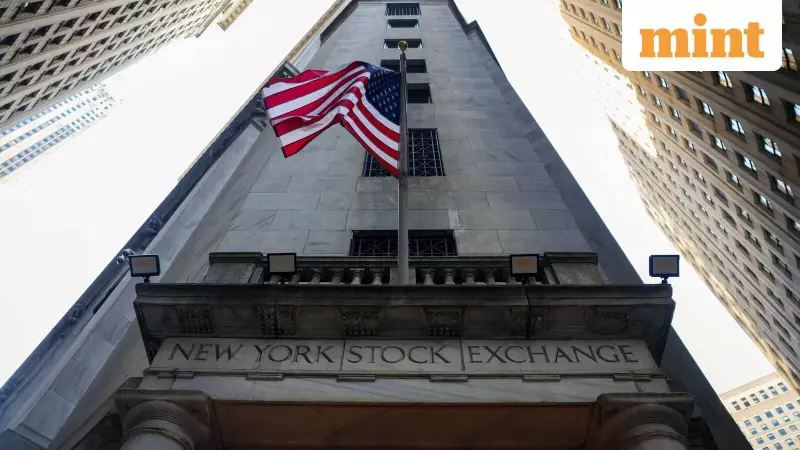
Wall Street Investors Brace for Trump's Next Surprise Move
Global Wall Street finds itself suddenly on the defensive. Investors across financial markets are preparing for the next unexpected action from President Trump that could drive significant stock movements. This shift comes as the administration's affordability push ahead of the midterm elections has turned some of the financial sector's favorite companies into targets.
From Ally to Adversary
Wall Street initially believed it had found an ally in Donald Trump. The president largely delivered for investors during his first year, implementing tax cuts, reducing government spending, and rolling back aggressive tariff plans that had previously spooked markets. Now, the relationship appears to be changing dramatically.
Trump has blindsided Wall Street with a series of rapid-fire moves within just one week. These actions have put the financial industry on notice. The president has sought to block large investors from purchasing single-family homes, called for caps on credit-card interest rates, and announced restrictions on executive compensation and stock buybacks.

Then came the most stunning development of all. The Justice Department launched a criminal investigation into Federal Reserve Chair Jerome Powell. Many observers see this as an intimidation tactic designed to pressure the Fed into lowering interest rates.
Investor Expectations Shattered
Brad Golding, a hedge-fund manager at Christofferson Robb & Co. in New York, expressed the changing sentiment. "Investors thought after the April 2025 tariffs that uncertainty around policy would magically go away," he said. "Now, we're seeing that midterm elections mean more than the profitability of banks and the stability of markets."
The investigation into Powell represents a significant escalation in Trump's pressure campaign on the Federal Reserve. It sends a clear message that voter concerns about living costs now take priority over investor interests. JPMorgan Chase Chief Executive Jamie Dimon and other banking leaders immediately defended the Fed following news of the probe.
On Monday evening, Trump issued another broadside against business interests through social media. He announced he was working with Microsoft and other technology giants to ensure consumers don't bear the burden of higher electricity prices. This comes as heavy investment in artificial intelligence fuels increased power demand from data centers.
Administration's Changing Priorities
White House spokesman Kush Desai defended the administration's approach in a statement. He pointed to multiple record stock market highs and rising real wages as evidence that Trump can "unleash historic prosperity" for both consumers and investors.
However, investors received ample warning about this shift in priorities. Administration officials have spent over a year signaling their intention to help consumers, even at investors' expense. Treasury Secretary Scott Bessent made this clear to bankers last April. "For the last four decades, Wall Street has grown wealthier than ever before...for the next four years, it's Main Street's turn," he declared.
Investors now prepare for the next surprise from Trump that could drive stock movements. The administration has indicated more affordability proposals might be unveiled when the president appears at the World Economic Forum next week.
Market Reactions and Analyst Views
Dan Ivascyn, chief investment officer at bond powerhouse Pimco, offered straightforward advice. "Expect the unexpected and position portfolios accordingly," he said. Pimco has already made portfolio adjustments, including purchasing more debt from non-U.S. issuers.
Market reactions to Trump's recent proposals have been immediate but mixed:

- Trump's call for a temporary 10% cap on credit-card interest rates sent shares of major card issuers and network providers lower on Monday and Tuesday
- Citigroup, American Express, Capital One, Mastercard and Visa shares dropped between 4% and just over 7% during those two days
- The plan to block big investors from buying single-family homes dented shares of major landlords and Blackstone, though shares have partially recovered since
Broader stock indexes haven't reflected excessive concern. Investors have grown accustomed to Trump backing away from many proposals. Some initiatives would require congressional approval that might never materialize. House Speaker Mike Johnson signaled Tuesday that Trump's credit-card rate proposal would face significant obstacles in Congress.
Peter Boockvar, chief investment officer at One Point BFG Wealth Partners, expressed skepticism. "The credit-card proposal will probably not happen—and the same with the restrictions on institutional home buying," he said. "So markets are in wait-and-see mode."
Potential Consequences and Industry Impact
The investigation into Powell drew immediate criticism from former Fed and Treasury officials, along with lawmakers who could hinder Trump's ability to get a Powell replacement confirmed. JPMorgan's Dimon and Bank of New York Mellon CEO Robin Vince both defended Federal Reserve independence during quarterly results calls.
Dimon warned that political interference with the Fed could actually increase inflation and interest rates, contrary to Trump's stated goal of lowering them. The probe might even encourage Powell to remain as a Fed board member after his term as chairman expires later this year.
Other proposals could produce unintended consequences that explain the market's subdued response. Trade groups warn that cutting credit-card interest rates might limit credit access for lower- and middle-income consumers. Boockvar noted additional potential problems. "Stopping institutional investors from buying homes to rent sounds good, too, but it could negatively hurt those families who want to live in a house but can't afford to buy," he explained. "Also, it could dissuade home builders from adding new home supply to the market."
Trump's affordability push could extend beyond the financial sector. The administration has suggested hopes to lower gasoline prices for U.S. consumers, potentially by adding Venezuelan oil to the market. Lower pump prices would help drivers but potentially reduce energy company profits.
Finding Silver Linings
Wall Street analysts often seek reasons for optimism even during unsettling developments. On Monday, Morgan Stanley told clients the administration's focus on housing affordability could benefit some consumer-related stocks. If the administration offers incentives to home builders to increase housing supply, that could boost earnings for those companies.
The financial world now watches closely as Trump prepares for his World Economic Forum appearance. Investors remain uncertain about what policy surprise might come next, but they're increasingly aware that consumer concerns now drive administration priorities more than Wall Street profitability.





