

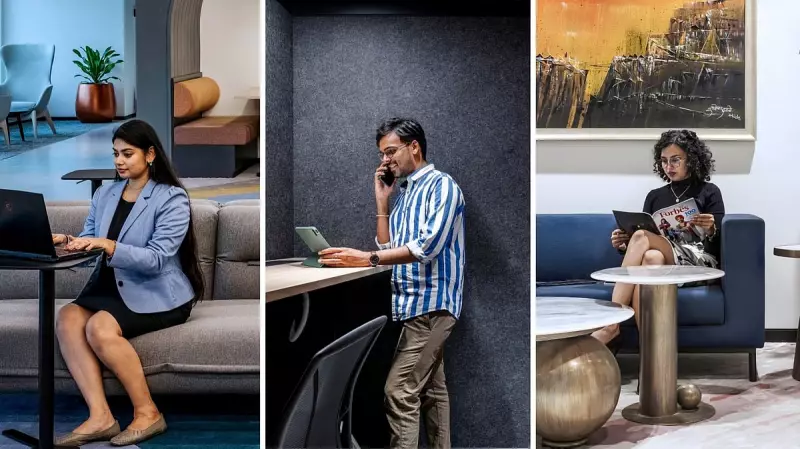
The modern workplace is undergoing a crucial transformation, moving beyond mere physical accessibility to embrace cognitive and sensory inclusion. A growing focus on neurodiversity is pushing companies to rethink office design, creating environments where all minds can thrive. Neurodiversity, which includes conditions like Autism, ADHD, and Dyslexia, means individuals experience and interact with the world in unique ways, particularly regarding sensory input.
Understanding Sensory Needs in the Neurodiverse Workforce
For many neurodivergent individuals, a typical open-plan office can be a minefield of sensory overload. Harsh fluorescent lighting, constant background chatter, printer noises, and strong smells can be debilitating, leading to anxiety, exhaustion, and reduced productivity. The goal of sensory-friendly design is not to create a sterile space, but to offer choice and control, allowing employees to regulate their sensory environment effectively.
Key sensory triggers often include unpredictable noises, flickering lights, crowded spaces, and certain tactile surfaces. Recognizing these challenges is the first step for organizations committed to true inclusivity. By proactively designing for these needs, companies tap into the exceptional talents neurodiverse individuals often bring, such as pattern recognition, attention to detail, and innovative problem-solving.

Actionable Strategies for Inclusive Office Design
Transforming a workplace into a sensory-friendly hub requires intentional changes across several domains. Here are practical, actionable insights organizations can implement.
1. Mastering the Acoustics and Soundscape
Noise is frequently the most significant barrier. Solutions go beyond just providing noise-cancelling headphones. Companies can install acoustic panels on walls and ceilings, use sound-absorbing carpets and furniture fabrics, and designate dedicated quiet zones or booths for focused work. Offering a variety of workspaces, from silent rooms to low-buzz collaboration areas, gives employees autonomy over their auditory environment.
2. Rethinking Lighting and Visual Stimuli
Harsh, flickering overhead lights are a common issue. The shift should be towards natural light wherever possible, supplemented with adjustable, indirect lighting options at individual workstations. Providing desk lamps with dimmable, warm light allows for personal control. Reducing visual clutter on walls and in common areas, and using calming, muted color palettes can also significantly lower cognitive load and visual stress.
3. Designing for Physical Space and Movement
Layout is critical. A one-size-fits-all open plan is rarely effective. A hybrid model that includes private, enclosed rooms, semi-enclosed pods, and flexible seating arrangements respects different working styles. Clear signage and predictable pathways reduce navigation anxiety. Furthermore, creating designated low-traffic breakout spaces and allowing for movement or the use of fidget tools can help some neurodivergent employees with self-regulation and maintaining focus.
The Tangible Benefits of a Neuroinclusive Workplace
Investing in sensory-friendly design is not just an ethical imperative; it delivers clear business advantages. Organizations that embrace these principles report higher levels of employee engagement, retention, and overall job satisfaction. When neurodiverse employees are supported, their unique contributions to innovation, quality control, and systematic thinking come to the fore.
Ultimately, a workplace designed with neurodiversity in mind benefits every employee, fostering a culture of empathy, flexibility, and respect. It signals that the organization values different ways of thinking and is committed to providing the tools for everyone to perform at their best. The journey involves continuous dialogue with neurodivergent staff, a willingness to adapt, and viewing inclusive design as a core component of modern, people-first business strategy.






