Global tech giant Amazon is making a strategic move to secure copper supplies from an innovative Arizona mine. This mine recently became America's first new source of copper output in over ten years. The copper will fuel Amazon's rapidly expanding data centers, which are critical for artificial intelligence operations.
Amazon Turns to Arizona for Copper
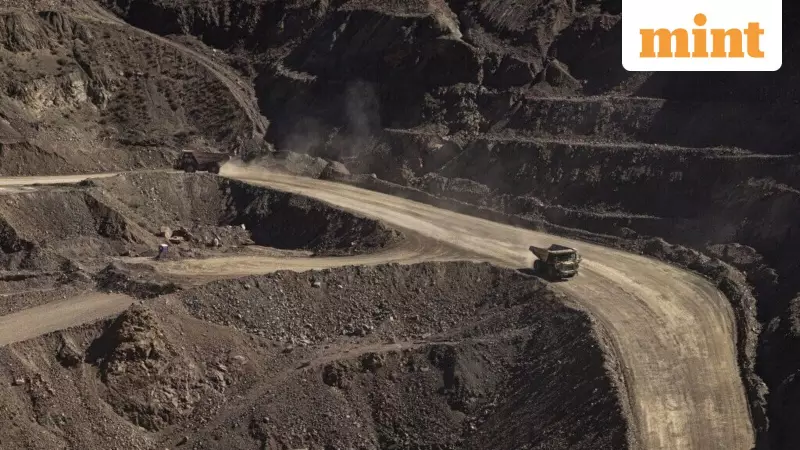
Amazon.com has entered into a two-year supply agreement with Rio Tinto's Nuton venture. The deal focuses on the Johnson Camp mine in Arizona, which Rio Tinto restarted last year. This mine uses a novel bioleaching process that employs bacteria and acid to extract copper from low-grade ore. Previously, this type of ore was considered too costly to process economically.
Why Copper Matters for AI
The demand for copper is skyrocketing, driven largely by the construction of AI data centers. These facilities require massive amounts of copper for electrical components like wires, busbars, and transformers. A single large data center can need tens of thousands of metric tons of copper.

Rio Tinto's Arizona project is expected to produce about 14,000 metric tons of copper cathode over four years. While this amount is only a small fraction of Amazon's total needs, it represents a significant step in securing supply chains. The move highlights how technology companies are scrambling to lock down essential materials and power sources for AI infrastructure.
The Growing Copper Shortage
Copper prices have surged to record highs recently, with futures gaining 41% last year and trading above $6 per pound. This price increase reflects a looming supply deficit. Mining new copper deposits typically takes more than two decades from discovery to production.
A recent study by S&P Global warns that AI could boost copper demand by 50% by 2040. At the same time, mining output is expected to decline, potentially creating a 25% shortfall. This gap poses a serious risk to global industries and economic growth.
Rio Tinto's Innovative Approach
Frustrated by lengthy permitting processes for new mines, Rio Tinto decided to commercialize its Nuton technology. Scientists had been refining this bioleaching method for decades in laboratories. The process involves coating ore with bacteria and acid, then piling it on leach pads where copper solution drips out. The metal is then plated onto ready-to-use cathodes.
Rio Tinto estimates that 70% of global copper reserves exist in similar low-grade ores. These deposits often contain concentrations too low to justify traditional mining and smelting methods. The Johnson Camp mine, located east of Tucson, provided an ideal testing ground. Previous owners had abandoned the site in 2010 after hitting low-grade ore they deemed unprofitable.
Environmental and Economic Benefits
Katie Jackson, chief executive of Rio Tinto's copper business, emphasizes the environmental advantages of the Nuton process. "It's not just that we're processing ores that otherwise wouldn't be economic, but we do it with lower carbon and water intensity," she said. "It's great to see customers recognizing this value."
Chris Roe, Amazon's director of worldwide carbon, echoed this sentiment. "We work to find lower carbon solutions for our business growth," he stated. "That means steel, concrete, and absolutely copper for our data centers." Amazon plans to route the copper to companies manufacturing components for its data centers.
A Mutually Beneficial Partnership
The agreement between Amazon and Rio Tinto extends beyond copper supply. Amazon will provide cloud-computing and data analytics services to help optimize Nuton's recovery rates and support production expansion. This collaboration demonstrates how technology and mining industries can work together to address critical resource challenges.
As the AI boom continues to drive economic growth and stock market gains, securing copper supplies has become paramount. Amazon's investment in Arizona's copper mine signals a proactive approach to overcoming potential shortages while embracing innovative, environmentally conscious extraction methods.