Amazon's Massive Restructuring: 30,000 Corporate Jobs on the Line as CEO Focuses on 'Culture'
Every round of layoffs in the corporate world typically comes with a standard justification. Companies often cite slowing revenue, automation, or a push for greater efficiency as the primary drivers behind workforce reductions. However, in a surprising twist, Amazon's explanation for its sweeping job cuts in October 2025 and beyond has taken a different path, focusing on internal culture rather than external pressures.
The Scale of Amazon's Corporate Job Cuts
According to Reuters, Amazon is preparing a second round of corporate job cuts next week, as part of a broader strategy to eliminate approximately 30,000 roles across the organization. The initial round in October 2025 already saw about 14,000 white-collar positions being reduced, with the upcoming cuts expected to be of a similar magnitude. This combined effort represents the largest layoff in Amazon's three-decade history, signaling a significant shift in the company's operational approach.
The layoffs are anticipated to impact employees across several key divisions, including Amazon Web Services (AWS), retail operations, Prime Video, and the human resources division known internally as People Experience and Technology. While 30,000 jobs account for less than 2% of Amazon's total global workforce of about 1.58 million employees, they constitute nearly 10% of its corporate staff, highlighting the concentrated nature of this restructuring.

From AI to 'Culture': The Evolving Explanation
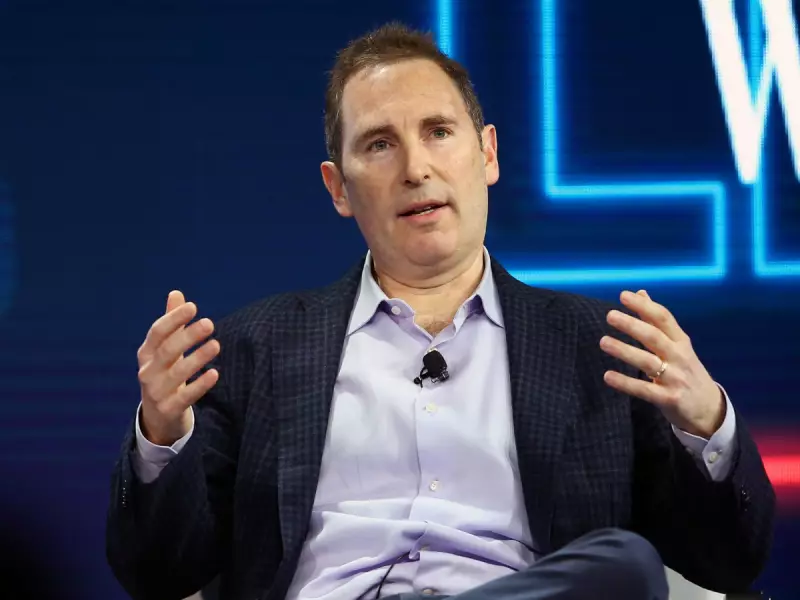
When Amazon first announced the October cuts, the company linked them to the rise of artificial intelligence, describing AI as "the most transformative technology we've seen since the Internet." However, during Amazon's third-quarter earnings call, CEO Andy Jassy reframed the reasoning behind the layoffs. He stated that the reductions were "not really financially driven and it's not even really AI-driven." Instead, Jassy attributed the cuts to "culture."
Jassy elaborated on this point, explaining that over time, companies like Amazon accumulate "a lot more people than what you had before, and you end up with a lot more layers." This distinction is crucial. If AI were the primary driver, the narrative would center on technology replacing human tasks. By focusing on culture, Jassy is pointing to structural issues within the organization rather than software-driven efficiencies.
Decoding Corporate 'Culture' and Organizational Bloat
In corporate terminology, culture often refers to decision-making norms, reporting lines, and how authority flows through an organization. When Jassy speaks of "layers," he is describing management tiers that can slow approvals, diffuse accountability, and create inefficiencies. As companies expand, teams multiply, and new roles are created to coordinate, supervise, and review. While each additional layer may seem rational in isolation, collectively they can lead to what executives term organizational bloat.
Bureaucracy, in this context, extends beyond mere paperwork. It encompasses processes that require multiple approvals, overlapping responsibilities, and slower execution. Jassy's comments suggest that Amazon believes it has accumulated too many such layers, and the layoffs are being framed as a structural correction rather than a reaction to weak demand or technological disruption.
The Focus on Corporate Roles and Internal Changes
The job cuts are specifically targeting corporate roles, not warehouse or fulfillment center staff. Given that the majority of Amazon's workforce is employed in logistics and operations, this restructuring is concentrated at the center of decision-making rather than at the edge of delivery. Affected employees from the October round were reportedly told they would remain on payroll for 90 days, during which they could apply for internal positions or seek external opportunities.

Amazon's efforts to reduce layers extend beyond headcount reductions. Jassy has introduced an anonymous feedback system to identify inefficiencies, which, according to Reuters, has led to over 450 process changes based on more than 1,500 responses. Additionally, Amazon has enforced a five-day return-to-office policy, one of the stricter mandates in the technology sector, further emphasizing its focus on reshaping internal culture.
Why Amazon's Explanation Matters Beyond the Company
Large corporations often describe layoffs as strategic resets, and the language chosen reflects how leadership wants the restructuring to be perceived. By attributing the cuts to culture rather than finances, Jassy is attempting to position Amazon as disciplined and proactive rather than distressed or reactive. The company is not presenting itself as responding to a crisis but as correcting internal design flaws that have developed over time.
However, culture is not an external force; it is shaped by leadership decisions over years of hiring, expansion, and delegation. When such a structure is dismantled, the consequences are uneven, with some teams losing managers, functions merging, and roles disappearing entirely. While the language of culture may sound abstract, for the individuals affected, it translates directly into job loss.
The coming week will reveal whether this second round of layoffs completes Amazon's target of cutting around 30,000 corporate roles or signals further restructuring ahead. As the company navigates this transformative period, its emphasis on culture over conventional excuses offers a unique lens into the evolving dynamics of corporate governance and workforce management in the modern era.