

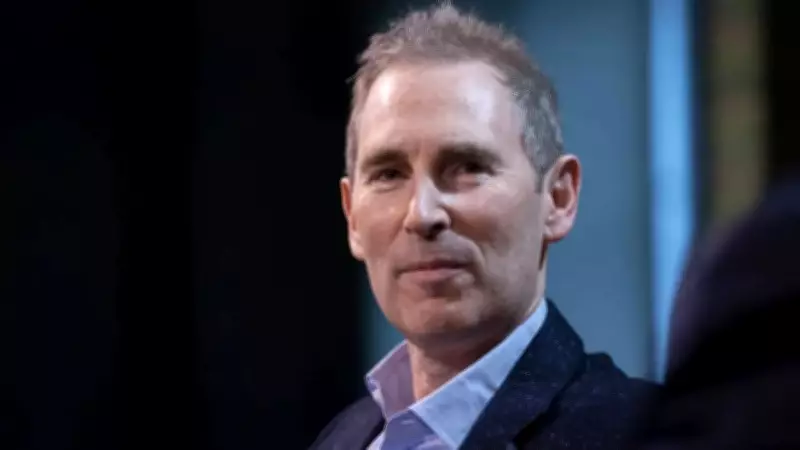
Amazon CEO Andy Jassy Stands Firm on Massive $200 Billion AI Investment Plan
Months after Amazon's stock experienced a dramatic plunge of over 10% in a single trading session—marking its worst performance in years—Chief Executive Officer Andy Jassy remains unwavering in his strategic vision. In his comprehensive annual shareholder letter released on Thursday, Jassy forcefully reiterated the company's ambitious plan to allocate approximately $200 billion toward capital expenditures in 2026.
Massive Infrastructure Investment Focused Almost Entirely on Artificial Intelligence
The colossal investment, which represents one of the largest corporate spending commitments in recent history, will be directed almost exclusively toward artificial intelligence infrastructure. This encompasses data centers, custom semiconductor chips, and advanced networking equipment. "We are not investing approximately $200 billion in capital expenditures in 2026 based on a mere hunch or speculation," Jassy wrote emphatically in the letter. "We have no intention of adopting a conservative approach in how we execute this transformative strategy."
In a significant disclosure, Jassy revealed a previously undisclosed metric: Amazon Web Services' artificial intelligence business has achieved a remarkable $15 billion annualized revenue run rate. This represents a staggering increase from virtually zero revenue just three years ago. This AI revenue now constitutes approximately 10% of AWS's total $142 billion annual run rate. The timing of this revelation appears strategically calculated to demonstrate to Wall Street analysts and investors that the substantial financial investments are already generating tangible returns.

Strategic Parallels to Early AWS Development and Customer Commitments
Jassy framed the enormous artificial intelligence investment as a deliberate replay of Amazon's early cloud computing strategy with AWS, rather than a speculative gamble. The shareholder letter extensively referenced this familiar corporate playbook, drawing direct parallels to the company's initial AWS development phase. During that period, Amazon aggressively burned through cash to build cloud infrastructure while facing persistent investor skepticism about the business logic.
The strategic comparison is intentional and multifaceted, highlighting similar patterns of substantial upfront capital expenditure, initial market skepticism, and eventual durable financial returns. Jassy pointed to existing customer commitments that already support a "substantial portion" of this year's capital expenditure, including a monumental deal with artificial intelligence research organization OpenAI valued at over $100 billion. According to Jassy's projections, the majority of this investment will begin generating monetization returns in 2027 and 2028.
Custom Chip Business Experiences Explosive Growth
Amazon's custom semiconductor chip division—encompassing Graviton, Trainium, and Nitro processor families—featured prominently in the shareholder communication. This specialized business unit now generates more than $20 billion in annualized revenue, representing a dramatic doubling from the $10 billion reported just one quarter earlier. The segment is experiencing extraordinary triple-digit growth rates that significantly outpace broader market trends.
Jassy even floated the intriguing possibility of selling complete chip rack systems to external customers—a strategic move that rival technology giant Google has already implemented through its partnership with artificial intelligence company Anthropic. This potential expansion into hardware sales could create additional revenue streams beyond Amazon's traditional service offerings.

Wall Street Reaction and Financial Context
Investors responded positively to the detailed shareholder letter and strategic disclosures. Amazon shares climbed 5.6% during Thursday's trading session following the announcement. However, the company's stock remains only marginally positive for the entire calendar year. The February selloff—triggered by the initial revelation of the $200 billion capital expenditure plan—left significant financial scars: Amazon recorded its worst monthly performance since December 2022, and corporate free cash flow is projected to turn negative in 2026 for the first time in four years.
Jassy's investment thesis remains straightforward and consistently articulated: artificial intelligence demand represents a genuine technological revolution, Amazon maintains a substantial infrastructure leadership position, and financial returns will inevitably follow strategic execution. The critical question facing the company is whether Wall Street investors will maintain sufficient patience to witness this long-term strategy unfold completely, particularly given the substantial upfront capital requirements and projected temporary cash flow impacts.





