Iran's Banking Crisis: How Ayandeh Bank's Collapse Sparked Economic Chaos
The most significant threat to Iran's regime in half a century did not emerge from political opposition or youth unrest. It came from a bank's failure. Late last year, Ayandeh Bank collapsed under nearly $5 billion in losses from bad loans. This event exposed deep flaws in Iran's financial system and accelerated a severe economic crisis.
The Bank That Broke Iran's Economy
Ayandeh Bank operated as a financial vehicle for regime cronies. It offered the highest interest rates in Iran, attracting millions of depositors. The bank borrowed heavily from Iran's central bank, which printed money to keep it afloat. This created an inflationary cycle that weakened the national currency, the rial.
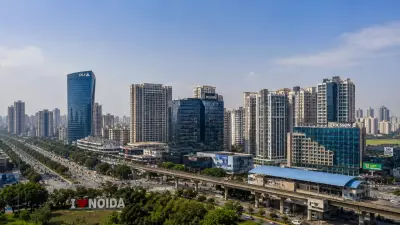
Economists describe Ayandeh as essentially a Ponzi scheme. The bank's largest investment was the extravagant Iran Mall project. This massive complex features IMAX theaters, swimming pools, and indoor gardens. It stands as a symbol of opulent excess in a stagnating economy.

More than 90% of Ayandeh's resources were tied to projects under its own management. This represented classic self-lending practices. The bank effectively funneled money to companies owned by its founder, Ali Ansari.
Systemic Corruption and Political Connections
Ali Ansari comes from one of Iran's wealthiest families. He maintains a multimillion-dollar mansion in north London. Politically, he aligns with former conservative President Mahmoud Ahmadinejad. The United Kingdom sanctioned Ansari days after Ayandeh's collapse, calling him a corrupt banker financing the Islamic Revolutionary Guard Corps.
Ansari blamed the bank's failure on decisions beyond its control. However, the evidence points to systematic corruption. Ayandeh served as a channel for enriching well-connected individuals while ordinary Iranians suffered.
Conservative and reformist politicians had pushed for Ayandeh's closure for years. They warned that central bank support would drive inflation. These calls intensified late last year. Iran's judiciary chief publicly demanded action, threatening legal measures.
The Domino Effect on Iran's Economy
Ayandeh's collapse triggered immediate consequences. The government folded the bank into state-owned Bank Melli and printed massive amounts of money to cover losses. This buried the problem temporarily but solved nothing.
The failure exposed broader vulnerabilities. Five other Iranian banks face similar fates, including state-owned Bank Sepah. Iran's financial system has become increasingly insolvent and illiquid under years of sanctions and bad lending practices.
The crisis hit at the worst possible time. Iran's credibility had already suffered from a 12-day war with Israel and the United States in June. The government showed it could not defend its population from attack. Nuclear negotiations remained stalled, keeping sanctions relief out of reach.
Currency Collapse and Capital Flight
Iran's rial entered a new downward spiral with little ability to stop it. The currency lost 84% of its value against the dollar in 2025. Food prices rose at an annual rate of 72%, nearly double recent averages.
Capital flight accelerated dramatically. Iranians dumped rials for foreign currency, gold, and cryptocurrency. Economists estimate total capital flight last year between $10 billion and $20 billion. This created what one expert called an untenable situation.
U.S. enforcement actions cut Iran off from crucial dollar flows from Iraq. Sanctions significantly reduced hard currency earnings from oil sales. The country's overseas foreign exchange reserves became inaccessible.
Broken Promises and Public Anger
The government responded with austerity measures while cutting public support. December's budget proposed eliminating favorable exchange rates for imports, removing bread subsidies, and selling imported gasoline at market prices. These cuts totaled about $10 billion in reduced support.
Wages failed to keep pace with skyrocketing prices. Ordinary Iranians reached a breaking point. People reported they could no longer afford basic food. Shop owners struggled to set prices as the rial dropped by the hour.

Hundreds of merchants, who typically avoid mass protests, took to Tehran's streets demanding relief. Their participation signaled broad economic desperation.
Energy Crisis and Infrastructure Failure
Iran faces severe energy and water shortages despite vast oil and gas wealth. Natural gas shortages caused long power outages starting in 2024. These cuts undermined the government's justification for its nuclear energy program.
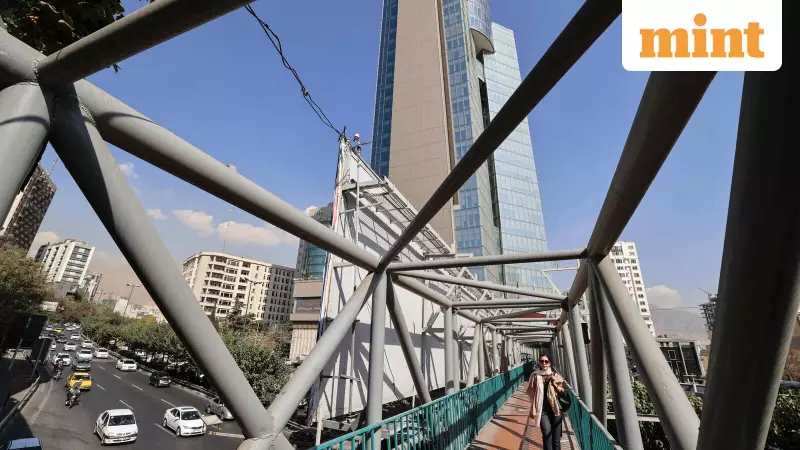
President Masoud Pezeshkian proposed moving the capital from Tehran closer to the Indian Ocean coast. This drastic suggestion highlights the severity of resource crises.
Protests and Regime Response
Protests began at year's end and escalated for two weeks, spreading to dozens of cities. Thousands demonstrated despite internet blackouts and government crackdowns. Human rights groups report hundreds killed in the violence.
The government attempted mollification measures. It introduced monthly cash subsidies of about $7 per person and vowed to crack down on price gouging. Iran's central bank governor resigned in late December, replaced by a former economy minister.
These measures proved ineffective. The protests continued, representing the most significant threat to the regime since the Islamic Republic's founding.
International Pressure and Military Threats
International sanctions tightened throughout the crisis. Iran's oil industry now relies on a shadow fleet of tankers, meaning more revenue flows to middlemen rather than state coffers.
The June war with Israel necessitated increased defense spending. Iran needed to rebuild military capabilities and support allies like Hezbollah. The United States and Israel warned of new strikes over Iran's missile program in November.
An American raid on Caracas in early January to seize Venezuela's president punctuated these threats. This accelerated capital flight and heightened anxieties about further attacks.
Long-Term Implications for the Regime
Ayandeh Bank's collapse symbolizes a system rigged in favor of a small elite. Ordinary Iranians perceive that resources have been diverted from public needs to connected individuals. This perception fuels anger and undermines regime legitimacy.
Economists warn the banking system remains fragile and vulnerable. Any additional failures will return to burden the public purse. The government controls about 70% of Iran's banking system, creating concentrated risk.
The regime faces deep-seated financial problems compounded by external pressure. As one analyst noted, if spending could solve the crisis, the government would have done so already. Resorting to violence indicates fundamental weaknesses.
Iran's economic collapse developed over years but unfolded rapidly in recent months. The combination of banking failures, currency collapse, sanctions pressure, and military threats created a perfect storm. Ayandeh Bank's demise served as both symbol and accelerant of this unraveling.